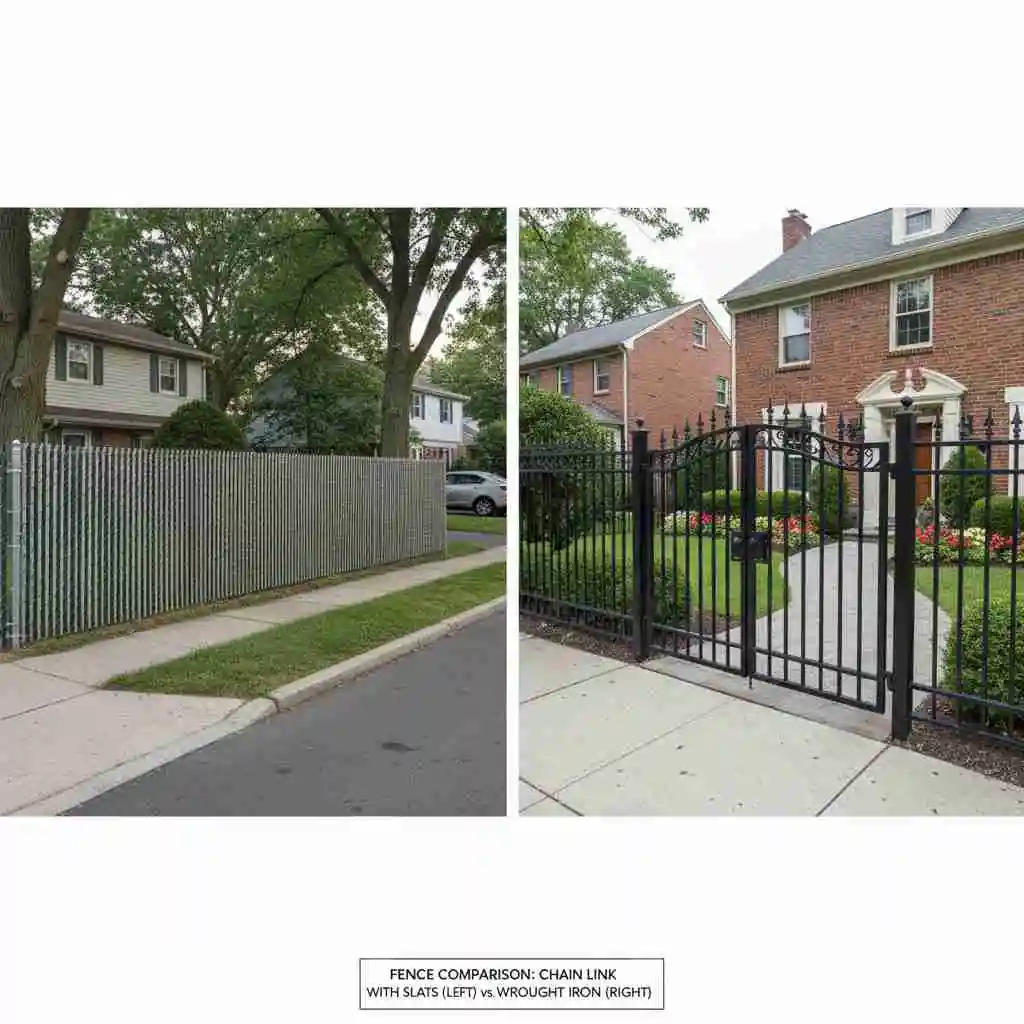
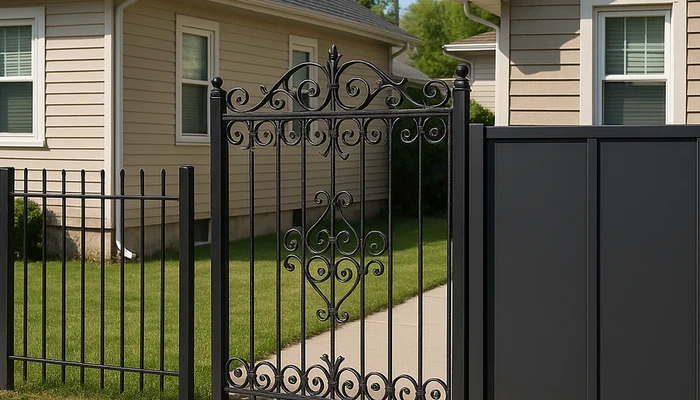
Most commercial fence quotes are decided long before the total is added up — the real difference sits in a handful of line-item specs. Facility and property managers who know what gauge, coating, post spacing, tension wire, finished side and setback actually control can compare two estimates side by side and see which one is built to last. These are the numbers to look at when reading commercial fence specifications in Westmont, IL, whether the site is a warehouse, retail center, school or municipal yard.
Gauge: The Thickness Behind The Strength
Gauge describes the thickness of the wire or sheet used to make the fence. Lower gauge numbers mean thicker, heavier material — a 9-gauge chain link weave is noticeably sturdier than an 11-gauge one and holds its shape better under impact from vehicles, carts or debris. Thicker material uses more steel, so gauge is one of the clearest reason lines costs differ. For high-use areas it is usually worth the upgrade; for a low-traffic boundary, a lighter gauge can make sense.
Coating: What Protects The Steel From The Weather
Coating is the layer that stops rust and extends the service life of a fence in a northeast Illinois climate. Standard galvanized coating works for many properties, while a heavier galvanized class or a vinyl-over-galvanized system adds another barrier against moisture and road salt. Heavier coatings raise the upfront line item but reduce touch-ups and premature corrosion, so the trade-off is usually durability versus first-year budget, not durability versus cost overall.
Post Spacing, Post Size, And Footing Depth
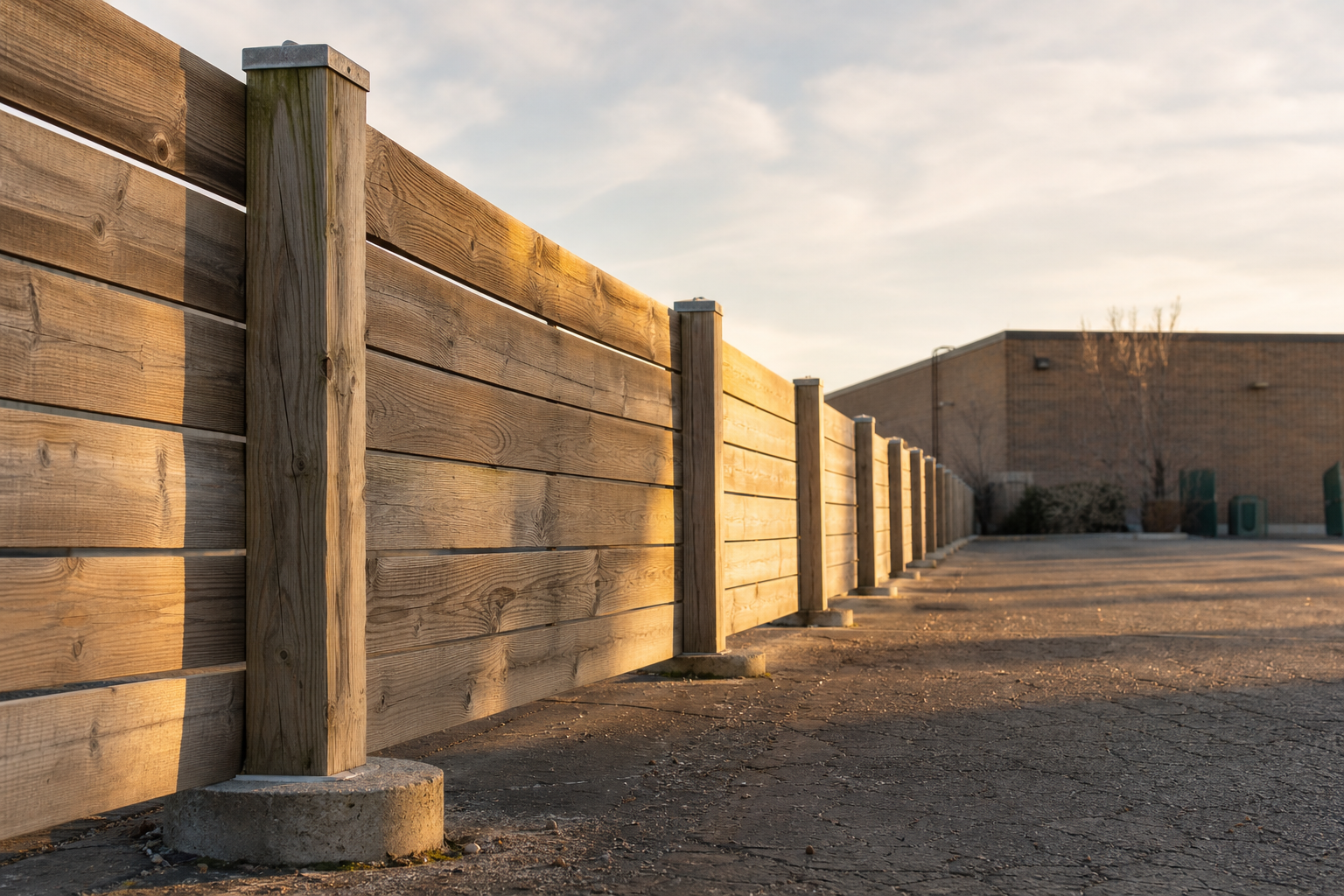
Post spacing is the distance between line posts. Wider spacing uses fewer posts and lowers material and labor, but it also reduces the fence’s resistance to sagging and bending. Terminal posts at corners, ends and gates need larger diameters and deeper footings because they carry the tension of the full run. A commercial fence contractor in Westmont, IL should list spacing, post diameter and footing depth as separate items so the buyer can see whether the structure matches the grade of the fabric.
Tension Wire And Fabric Stability
Tension wire is a single strand threaded through the fabric weave, usually along the bottom rail line of a chain link section. It anchors the mesh to the frame and keeps the fabric from being lifted or peeled back. It is inexpensive to add at installation and expensive to retrofit later, which makes it one of the easiest specs to verify before signing off on a scope.
Finished Side And Setback
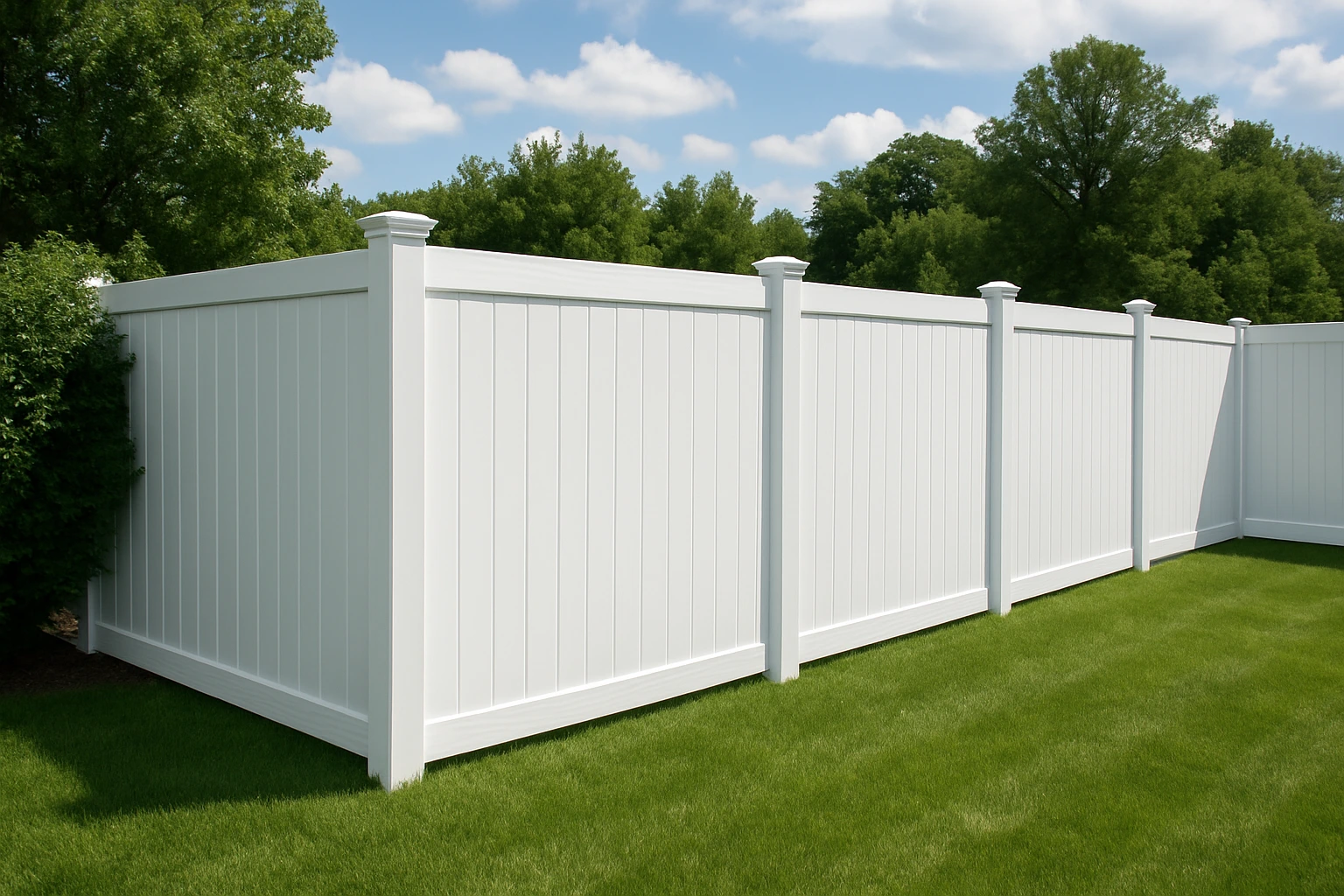
On ornamental, wood and vinyl systems, the finished side is the face where rails and framing are hidden, showing only the smooth exterior. Westmont code generally requires structural elements to face the enclosed property, so the cleaner face sits toward the street and neighbors. Setback is the distance from the property line or right-of-way where the fence is legally allowed to sit. A tight setback can force shallower footings, smaller post spacing, or a special-use review, and each of those decisions affects cost before any panels are ordered.
Comparing Two Quotes On The Same Terms
Footage, gate count, access control needs, grade of material and site conditions all interact. Ask any commercial fencing in Westmont, IL provider to break the estimate into material, structure, gates and installation so the comparison is apples to apples — a cheaper total often hides a lighter gauge, thinner coating or wider post spacing that will shorten the fence’s useful life. A commercial fence company in Westmont, IL that walks through each line is giving the buyer the information needed to judge the trade-off instead of guessing at it.