The better system is the one that matches the job each part of the property has to do
Buyers comparing bids for a warehouse yard, a distribution lot or a frontage-facing commercial property keep running into the same question: which fence system actually belongs on that site? The answer comes from the work the fence has to do — perimeter control, sightlines, screening, entry management or long-term appearance — rather than from a default material pick. Working through that comparison before scoping keeps a bid accurate, and it is the conversation a Commercial Fence Company in Wood Dale IL handles on nearly every commercial walkthrough.
Chain Link Versus Steel for Warehouse and Industrial Yards
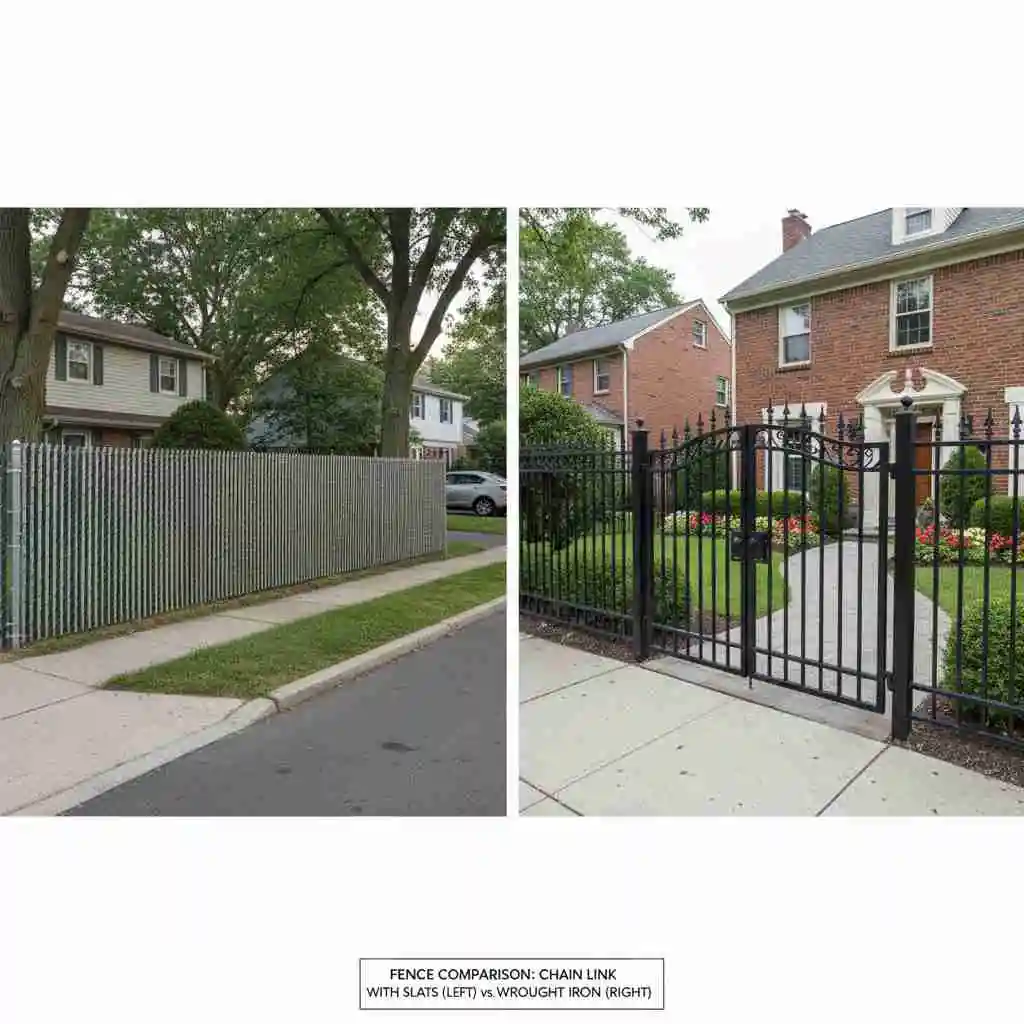
Chain link is the workhorse for long perimeter runs where visibility matters: cameras and staff can see the yard, gates swing or slide without extra reinforcement, and open-weave coverage extends easily when a lot is re-striped or reorganized. Steel changes the equation when deterrence, not sightlines, is the priority. Steel systems hold their shape under impact from trucks and equipment and read as a harder target around storage yards, fuel islands and high-value inventory.
The deciding question is what the yard is protecting and who needs to see into it. Open visibility plus gate control favors chain link. A high-value exposure, repeated after-hours activity or a facade that has to look finished usually pushes the recommendation toward steel.
Ornamental Aluminum Versus Wrought Iron for Commercial Frontage and Entry Control
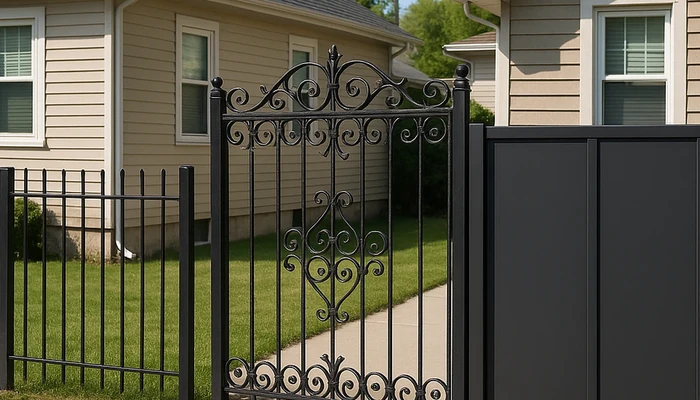
Both systems define a frontage with vertical pickets and clear sightlines, so the split comes down to mass and upkeep. Aluminum is lighter, resists corrosion without a paint cycle, and suits long commercial frontages, parking lot edges and pedestrian entries where a consistent, clean look matters. Wrought iron is heavier and more traditional, and its forged sections create a substantial presence that fits older corridors, institutional frontage and properties where the appearance standard leads the decision.
Maintenance capacity and entry function usually settle it. Where automated gates and access control sit on the drive, the fence has to align with the operator, hinges and post spacing; aluminum keeps that integration simpler, while wrought iron is chosen when presence outweighs the extra finishing work.
Vinyl Versus Wood for Screening and Enclosure
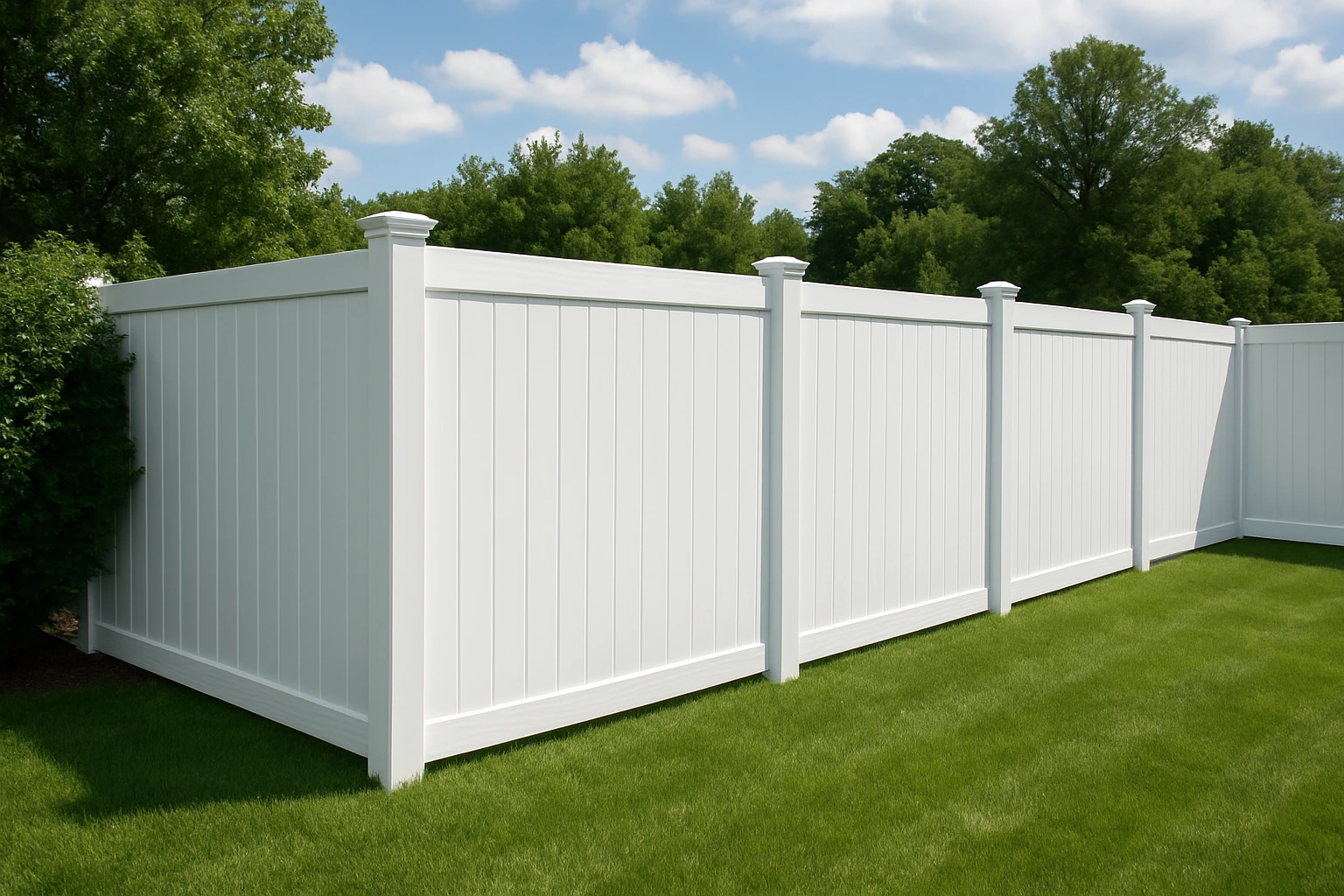
Screening is its own decision. Vinyl delivers a uniform finish that never needs repainting, which suits dumpster enclosures, utility screening, outdoor storage and multi-building properties where every panel should match. Wood offers more design flexibility and a warmer look, and it fits sites where the fence is part of the architecture — but it needs periodic sealing or staining to hold up through Midwest temperature swings.
If the property is managed by a team that will not schedule ongoing maintenance, vinyl answers that need. If appearance flexibility matters more than upkeep, wood earns its place.
How to Match the System to the Property
Rather than choosing a material first, define the perimeter zones: the yard, the customer-facing frontage, the entry drive and the service or storage edges. Each zone carries a different balance of security, visibility and appearance, and mixing systems across one site is common where the frontage has to look finished while the back lot stays utilitarian.
That is where a commercial fence contractor in Wood Dale, IL adds the most value — walking the zones before quoting and flagging where gate placement, sightlines or screening changes the recommendation. Commercial fencing contractors in Wood Dale, IL apply the same zone-by-zone logic to sites that combine yard, frontage and enclosure needs, so the system choices hold together instead of being bid one piece at a time.
 Skip to content