 Skip to content
Post-Install Maintenance Plans for Gates and Fences: What to Inspect and When
After your new fence or gate is installed, the next critical step is creating and following a maintenance plan. Many homeowners and property managers believe that a sturdy new fence will last for years without attention—but the Chicago climate, everyday wear, and accidental damage can reduce lifespan, security, and curb appeal. Post-install maintenance plans for gates and fences: what to inspect and when is an essential part of protecting your investment, ensuring safety, and avoiding unexpected repair bills. In this guide, you’ll learn how to assess your fence’s condition, what to look for in different materials, and when it’s time for DIY fixes or a professional inspection. The experts at Chicago Commercial Fencing share practical steps tailored to local weather and building codes, giving you peace of mind and clear action steps no matter your fence type.
Why a Post-Install Maintenance Plan Matters
New fences and gates may look flawless, but every barrier is exposed to the elements, use, and time. Proactive inspection and care can:
- Catch minor damage before it becomes a safety hazard or eyesore
- Maintain security, privacy, and appearance
- Prolong the life of your investment—saving money on repairs and replacements
- Ensure continued code-compliance and avoid HOA or city violations
In the Chicago, Illinois area, freeze-thaw cycles, storms, and high winds can strain even well-installed fences. A structured maintenance plan helps manage these risks effectively.
Understanding Fence Materials and Their Unique Maintenance Needs
The right inspection checklist depends on your fence or gate material. Here’s how wood, vinyl, metal, and composite fences differ in required care:
| Material | Common Issues | Inspection Focus | Typical Maintenance |
|---|---|---|---|
| Wood | Rot, warping, splitting, loose boards | Moisture, finish wear, joint stability | Staining, sealing, nail/screw tightening, replacing damaged boards |
| Vinyl | Cracking, discoloration, impact/brittle breaks | Surface integrity, posts alignment | Washing, checking for cracks, alignment correction |
| Wrought Iron/Steel | Rust, paint chipping, bent pickets | Coating integrity, hinge function | Rust removal, repainting, hinge lubrication |
| Aluminum | Minor dents, loose fasteners | Upright posts, rail connection | Cleaning, realigning, tightening fixtures |
| Chain Link | Sagging mesh, rust, loose ties | Mesh tension, top rail, posts | Tightening, rust treatment, realigning posts |
Reference specific care practices, such as those outlined in Ways to Avoid Vinyl Fence Damage for vinyl, or Preventive Maintenance for Iron Fences for metal fences.
Checklist: What to Inspect After Fence or Gate Installation
A well-structured inspection keeps your fence strong and looking great. Here’s a generalized checklist—customize it based on your fence type:
- Structural Integrity: Are posts solid and upright? Any wobble?
- Fasteners and Connections: Loose screws, nails, or bolts?
- Surface Condition: Peeling paint, rot, cracking, fading, dents?
- Alignment: Are rails and boards straight? Gates hanging properly?
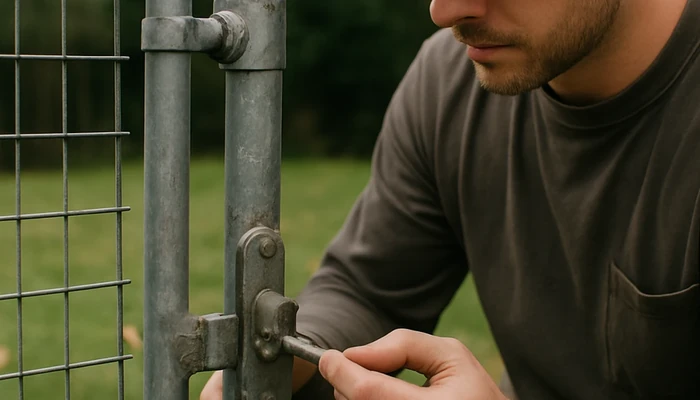
- Gate Operation: Open and close smoothly? Latch and lock securely?
- Ground Clearance: Has shifting soil caused sagging or gaps?
- Hinges and Hardware: Rust, squeaking, or looseness?
- Foundation/Footings: Erosion or water pooling near posts?
For more details on hardware and integration, check Integration of Gates and Accessories in Wood Fences.
Timing and Frequency: When to Inspect Gates and Fences
Maintenance timing depends on Chicago’s weather and your material choice. As a rule-of-thumb:
- Initial inspection: 1–2 months after installation—settling issues often appear.
- Seasonal checks: Early spring and fall—catch damage from temperature swings and storms.
- After major weather events: Assess fence after high winds, heavy snow, or flooding.
- Annual deep inspection: Review finishes, hardware, and plan major touch-ups.
Regularity is especially important for wood and metal fences, as documented in the Preventive Maintenance for Iron Fences guide.
Material-Specific Inspection Plans
Wood Fences and Gates
- Inspect boards and rails for rot, splitting, or insect damage.
- Check post bases and tops: Look for water damage or mold.
- Assess stain or paint wear: Plan for touch-ups every 2–3 years.
- Verify all fasteners: Tighten or replace as needed.
Explore more on best practices for wood and adaptation to local weather at Reasons To Choose Wood Fences In Different Climates and Selecting High Quality Lumber For Fencing.
Vinyl Fences and Gates
- Look for cracks, warping, or brittle sections, especially after freeze-thaw cycles.
- Check posts for stability and realign if needed.
- Remove stains or algae promptly.
Best preventive steps are discussed in Ways to Avoid Vinyl Fence Damage.
Metal Fences: Iron, Steel, and Aluminum
- Inspect all joints and welds: Look for rust, corrosion, or cracks.
- Test hinges and latches: Lubricate and tighten as needed.
- Check paint/coating: Touch up bare spots to deter rust.
Chain Link Fences
- Assess mesh for sagging, tears, or corrosion.
- Check tension wire and top/bottom rails.
- Examine post anchors for shifting or frost heave.
For more on chain link fence longevity and care, review The Average Lifetime Of Chain Link Fences.
Common Perimeter Issues in the Chicago Area
Homeowners in Chicago, Illinois often face special challenges such as:
- Snow and ice buildup causing shifting or heaving of posts
- Salt exposure near roads leading to accelerated metal corrosion
- Moisture and humidity increasing the risk of wood rot or mold
- Windborne debris denting or damaging panels and gates
Building codes and homeowner associations may also require proof of ongoing maintenance—keep records and photographs of your inspections and repairs.
Maintenance Schedules and Recordkeeping
To keep your fence in top condition, set reminders for each inspection phase:
- Monthly visual check: Walk the perimeter for trash, obvious damage, and gate operation.
- Seasonal maintenance: Clean fencing surface, tighten hardware, lubricate moving parts.
- Annual review: Plan for deep cleaning, refinishing (for wood/metal), and professional inspections if needed.
Document every inspection and repair. This protects resale value, insurance claims, and ensures warranty compliance.
When to Call a Professional Fence Company
While many issues are DIY-friendly, situations that call for professional help include:
- Major leaning, instability, or uprooted posts
- Extensive rust, rot, or broken panels
- Gate alignment issues that threaten security/safety
- Damage after storms, vehicles, or vandalism
From our experience as a fence company in Chicago, Illinois, projects involving regulated property lines, structural changes, or heavy-duty repairs are best left to experts. If in doubt, contact Chicago Commercial Fencing for knowledgeable advice and code-compliant solutions.
Integrating Security and Compliance in Fence Maintenance
Security features and compliance with local building ordinances are essential aspects of fence care. Integrate these steps in your plan:
- Test locks and access-control devices on gates
- Check for gaps or bypass routes around fencing
- Verify visibility/placement of perimeter signage as outlined in Effective Fence Signage for Businesses
- Review code compliance annually—regulations often change (see The Impact of Local Regulations on Commercial Fence Installation)
Staying up to date with best practices can also draw inspiration from broader perspectives on built environment maintenance, such as research available through the American Society of Civil Engineers.
Advanced Tips: Technology and Durability Innovations
Advances in materials and connected technology make modern fence maintenance smarter and more effective. Examples include:
- Anti-corrosive coatings for metal fences extend lifespan with less frequent painting
- Remote monitors for gates and perimeter alarms—especially useful for commercial sites or properties left vacant
- Flexible composite and vinyl panels designed to resist cracking from Chicago’s temperature extremes
- Innovations in predictive maintenance, discussed in the National Science Foundation Workshop
FAQ: Post-Install Maintenance for Gates and Fences
How soon after installation should I do my first inspection?
Inspect within 1–2 months to catch settling issues, then build regular seasonal checks into your routine.
What are the top signs my fence needs repairs?
Look for leaning posts, loose boards or mesh, gate movement issues, rust or excessive wear, and visible cracks.
How can I protect a wood fence against Chicago weather?
Apply a high-quality stain or sealant every 2–3 years, inspect for rot and warping, and promptly address all water-related damage.
Can I DIY all maintenance tasks?
Basic cleaning and minor fixes are DIY-friendly, but leave major structural issues and code compliance questions to professionals.
How often should hardware (hinges, locks) be checked?
At every seasonal inspection—lubricate, tighten or replace hardware showing signs of wear.
Is pressure washing safe for all fences?
Use gentle settings for vinyl and avoid high pressure near wood joints or aged metal; always follow manufacturer guidelines.
Do vinyl fences require repainting?
No—vinyl is color-integrated. Cleaning removes stains, but damaged panels may need replacement, not repainting.
Will insurance cover storm-damaged fences?
Policies differ; detailed maintenance records can support your claim. Check with your carrier for specifics.
Should I photograph my fence regularly?
Yes—time-stamped photos document condition and are valuable for warranty, resale, and insurance purposes.
Where can I find guidance on fence regulations?
Refer to local city codes or consult the experts at Chicago Commercial Fencing.
Conclusion: Protecting Your Fence for Years to Come
A well-maintained fence or gate stands strong against Chicago’s climate, delivers lasting security, and protects property value. With a practical post-install maintenance plan in place, tailored to your materials and local challenges, you can avoid costly repairs and extend your investment’s life. If you have questions, want professional inspection, or need repairs, reach out to Chicago Commercial Fencing—we’re here to help homeowners and property managers stay secure.
Looking for more guidance? Review these resources for further insights:
- Ways to Avoid Vinyl Fence Damage
- Preventive Maintenance for Iron Fences
- Integration of Gates and Accessories in Wood Fences
- The Average Lifetime Of Chain Link Fences
To get expert help or request a maintenance quote, talk to Chicago Commercial Fencing or request a commercial fence review.
About Chicago Commercial Fencing
Chicago Commercial Fencing brings over 15 years of expertise installing and maintaining residential and commercial fences throughout Chicago, Illinois and neighboring communities. Our team specializes in wood, vinyl, aluminum, steel, and chain link fences—with a strong commitment to security, privacy, and local code compliance. We pride ourselves on transparent advice, careful installation, and thorough post-install support. Chicago Commercial Fencing is fully licensed and insured; let us help protect your property with expert solutions.
fence chicago, fencing chicago, fence maintenance chicago, fencing Glen Ellyn IL, fence near Villa Park IL, fence Lakeview IL, fence near St Bens, fence repair North Chicago, fence Belmont Heights, fence replacement Old Norwood IL
