 Skip to content
Noise-Reducing Perimeter Fencing for Industrial Sites: Security Meets Community Relations
In modern urban areas, industrial sites often face a dual challenge: the need to secure property and operations, and the responsibility to maintain positive relationships with nearby communities. Noise from loading docks, machinery, and traffic can disrupt neighborhoods, leading to complaints or even code violations. At the same time, site managers must ensure that assets are protected against trespassing and theft. Noise-reducing perimeter fencing for industrial sites: security meets community relations is an essential topic for property owners and managers seeking solutions that satisfy both safety and social expectations. This guide will clarify the available options, evaluate the pros and cons of each, address maintenance, cost, code compliance, and realistic expectations. By the end, you’ll understand how the right perimeter fence can help your industrial site coexist peacefully with its Chicago, Illinois neighbors. As specialists with years of experience, the team at Chicago Commercial Fencing is here to help you make the smartest decision for your facility.
Understanding the Challenge: Noise and Security at Industrial Sites
Industrial activity often produces unavoidable noise — from heavy equipment operating outdoors to vehicle traffic around the site’s perimeter. Excessive or unmitigated noise can cause tension with nearby residents or businesses, especially in mixed-use zones. Meanwhile, inadequate security fencing can expose valuable assets to risk and invite unauthorized access.
- Key concerns: Noise mitigation, property security, aesthetic impact, and regulatory compliance.
- Typical noise sources: HVAC units, truck traffic, heavy machinery, alarms, and 24/7 operations.
- Perimeter fence roles: Physical barrier, noise reduction, visual screen, legal compliance, and neighborhood goodwill.
Finding a solution that balances robust security with effective sound mitigation requires a thorough understanding of available technologies, strategies, and trade-offs.
How Noise-Reducing Perimeter Fencing Works
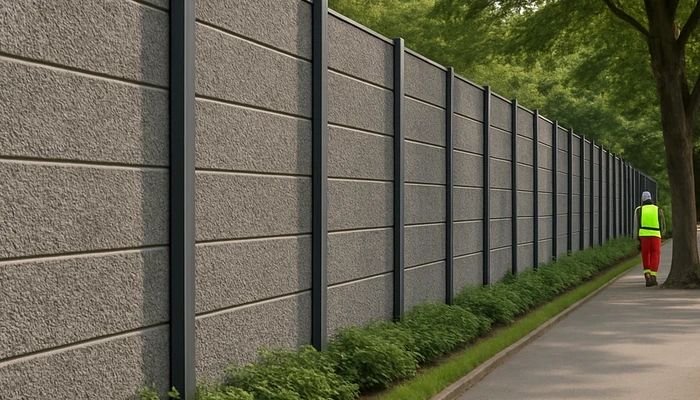
Noise-reducing fencing, also known as acoustic or sound barrier fencing, is designed to limit the transmission of sound waves from an industrial property to its surroundings. While a simple chain link fence provides security, it does little to block noise. Specialized fencing uses mass, height, dense construction, and sometimes absorptive materials to significantly lower measurable decibel levels beyond the perimeter.
- Blocking: Prevents direct line-of-sight transmission of sound waves.
- Absorption: Utilizes materials that absorb or dissipate sound energy.
- Deflection: Directs sound upwards or away from sensitive areas.
- Height and Length: The taller and more continuous the barrier, the greater the noise reduction.
Proper design and installation are crucial; gaps, weak points, or inadequate height can dramatically reduce effectiveness.
Common Materials and Technologies for Noise-Reducing Fences
The best fencing solution for your industrial site depends on site layout, noise levels, aesthetic preference, and budget. Below are leading options, their advantages, and limitations:
| Material | Noise Reduction | Security | Cost | Maintenance | Notes |
|---|---|---|---|---|---|
| Solid Wood | Good to Excellent | Moderate | $$ | Annual (sealing/repairs) | Natural look, customizable design |
| Vinyl (PVC) | Good | Moderate | $$–$$$ | Low | Weather-resistant, low upkeep |
| Composite | Excellent | High | $$$ | Low | Long-lasting, modern appearance |
| Masonry (Concrete, Brick) | Excellent | Very High | $$$$ | Minimal | Best for extreme noise, highly durable |
| Steel/Aluminum Panels | Good* | Very High | $$$ | Low | May need acoustic backing |
| Specialty Acoustic Panels | Excellent | High | $$$–$$$$ | Low–Medium | Engineered for sound, commercial appeal |
| Vegetative (Hedges) | Poor–Moderate | Low | $$ | High (trimming, health) | Supplement only, aesthetic boost |
*Steel or aluminum panels only provide strong noise reduction when designed as solid sheets with no gaps and, ideally, acoustic insulation added.
Key Features to Consider
- Height (ideal: >8 ft. for most industrial noise applications)
- Material density (heavier = better at blocking sound)
- No gaps, holes, or spaces between boards or panels
- Continuous alignment (fences extend beyond the noise source)
- Integration with security features (anti-climb, access control)
Combining dense fencing with vegetation can boost visual appeal and marginally increase sound dampening.
Balancing Security and Noise Reduction
While noise reduction is critical for community harmony, industrial sites cannot compromise on security. The best perimeter fencing designs address both needs:
- Solid construction: Deters intrusion and blocks sound.
- Anti-climb features: Helps prevent trespassing (e.g., smooth finishes, angled tops).
- Access control: Secure gates, locks, and optional surveillance integration.
- Code compliance: Meets Chicago building codes and any applicable local ordinances (always verify).
In the Chicago area, climate considerations—such as freeze/thaw cycles and high winds—should influence material and anchoring choices. An experienced local fence contractor can recommend solutions proven to withstand Midwest conditions.
How to Plan a Noise-Reducing Perimeter Fence Project
- Assess Noise Sources: Identify where and when noise is most problematic.
- Consult Neighbors & Community: Open communication may avoid conflicts and inspire goodwill.
- Engage a Professional: Seek input from a fence specialist knowledgeable about acoustics and industrial site needs.
- Study Codes and Regulations: Review official building codes and consult city authorities to ensure compliance.
- Design for Longevity: Consider durability, appearance, and maintenance demands in addition to sound control and security.
- Obtain Permits: Proper documentation prevents legal headaches. Chicago’s permitting process may take several weeks.
- Professional Installation: Quality installation ensures optimal fence performance for both noise and security.
- Monitor Results: Measure actual noise reduction and community feedback, adjusting as needed.
Pros and Cons of Popular Noise-Reducing Fencing Materials
Solid Wood
Wood fences, when built with overlapping or tongue-and-groove boards and substantial height, are effective at blocking noise. They offer traditional aesthetics but do require regular sealing, painting, or staining in the Chicago climate.
Vinyl (PVC)
Vinyl provides strong sound dampening, resists weathering, and is available in many designs. Seams and gaps must be minimized for best noise control. Learn more about vinyl fence pros and cons.
Composite Materials
Engineered composites blend wood fibers and plastics for high density and low upkeep, with strong acoustic properties. They are among the more costly initial investments but last for decades.
Masonry
Concrete and brick walls represent the gold standard for industrial noise control and security. They are extremely durable but require significant budget and time to install. Homeowners in Chicago, Illinois near busy industrial corridors often prefer this option for maximum peace and security.
Metal Panels
Modern steel or aluminum fencing can be enhanced with sound-insulating backings. Select designs without openings to maximize performance. Routine inspection for corrosion is needed, especially near road salt exposure zones.
Specialty Acoustic Barriers
Pre-engineered acoustic fencing consists of panels with inner sound-absorbing cores and robust exterior shells. These systems are widely used in municipalities but are now available for private industrial use.
Vegetative Solutions
Thick evergreen hedges or rows of trees only provide modest sound reduction on their own but can be used in tandem with solid fences. Their primary benefits are visual softening, wildlife habitat, and aesthetics.
Cost Considerations: Budgeting for a Noise-Reducing Fence
Fence costs depend on material, height, length, site preparation, and complexity. In Chicago, Illinois, recent estimates for noise-reducing perimeter fencing (8–12 feet tall) generally fall into these ranges (installed):
- Solid wood: $55–$85 per linear foot
- Vinyl: $65–$95 per linear foot
- Composite: $85–$120 per linear foot
- Masonry: $120–$200+ per linear foot
- Metal with acoustic panels: $90–$150 per linear foot
- Specialty/proprietary systems: Contact supplier for custom quotes
These are averages; actual costs vary with project scope, access, and permitting fees. Always confirm that your quote includes demolition/removal of old fencing, grading, landfill fees, and any custom features or finishes.
For more insights on budgeting and planning, review our Perimeter Security: A Comprehensive Overview.
Noise-Reducing Fence Design Best Practices
- Build higher than the noise source for maximal effect.
- Place fencing as close as practical to the source of noise rather than the property boundary.
- Ensure a continuous, gap-free surface—no cracks, holes, or weak seals.
- Integrate security features without sacrificing acoustic performance; for example, avoid decorative cutouts that allow sound to escape.
- Engineer for the Chicago, Illinois climate—use rust-resistant fasteners, proper depth for posts, and wind-resistant construction techniques.
Consult engineers or architects for large or complex projects. For practical examples, see the ASCE’s coverage of award-winning sound barrier projects.
Code Compliance and Regulatory Considerations
Perimeter fencing for industrial sites in Chicago, Illinois must comply with local codes addressing:
- Maximum allowable fence height and materials
- Setback requirements from sidewalks, roads, or neighboring properties
- Noise abatement or zoning restrictions
- Safety features (fire department access, clear sight lines near intersections)
- City permitting, inspection, and approval
Always consult municipal authorities or an experienced fencing contractor before starting your project. For a detailed breakdown, refer to our guide to the impact of local regulations.
Ongoing Maintenance and Lifespan
Well-built, noise-reducing perimeter fences offer decades of performance with appropriate upkeep. The required maintenance varies by material:
- Wood: Annual inspection and sealing or staining
- Vinyl/Composite: Occasional cleaning, periodic hardware checks
- Metal: Inspect for rust/paint loss, re-coat as needed
- Masonry: Minimal maintenance, occasional mortar checks
- Acoustic panels: Inspect outer shells and seals, follow manufacturer guidelines
Effective maintenance extends both lifespan and visual appeal. Our resource on preventive maintenance for iron fences offers transferable tips for all fence types.
Engaging with the Community: Turning a Fence into a Good Neighbor
Beyond simply blocking sound, noise-reducing fences can be a positive force for community relations:
- Prioritize designs that complement local aesthetics
- Offer public art or landscape integration (murals, greenery)
- Communicate project intentions transparently with neighbors prior to installation
- Address concerns related to sight lines, security lighting, and safety
- Regularly maintain both the appearance and the function of the fence
These steps demonstrate your commitment to being a responsible industrial neighbor in Chicago, Illinois or any urban area.
When to Consult an Industrial Fence Expert
If you’re facing persistent noise complaints, repeated security breaches, or uncertainty about your property’s needs, it may be time to consult a professional. An experienced fence company, like Chicago Commercial Fencing, can:
- Assess your site and noise challenges
- Recommend the right combination of materials, design, and features
- Guide you through permitting, installation, and post-install support
To discuss potential solutions or request a tailored estimate, request a fence estimate or contact Chicago Commercial Fencing directly for personal guidance.
Frequently Asked Questions About Noise-Reducing Industrial Fencing
- How effective is a noise-reducing fence for industrial noise?
While not eliminating noise entirely, a properly designed barrier can reduce perceived sound levels by 5 to 15 decibels—enough to meaningfully improve comfort for neighboring properties. The level of reduction depends on fence height, density, and distance from the noise source.
- Do I need a permit to install a noise-reducing fence in Chicago, Illinois?
Yes, most industrial sites must obtain permits for perimeter fences, especially when exceeding standard residential heights or using commercial materials. Check with your local permitting office, and see our guide on local fence installation regulations.
- Is it possible to combine sound barriers with security fencing?
Yes, many materials and designs deliver both. Solid panels, anti-climb features, and proper gate security can provide privacy, sound control, and asset protection in one system.
- How can I ensure my fence will last in the Chicago climate?
Choose weather-resistant materials and secure posts that are properly set below the frost line. Routine inspection and timely repairs are essential. Discuss site-specific solutions with Chicago Commercial Fencing.
- What maintenance is required for noise-reducing fencing?
Maintenance needs depend on your material choice: expect periodic cleaning, hardware tightening, wood sealing, or vinyl panel checks. Well-maintained fences last longer and perform better in both security and noise reduction.
- Is vegetation alone enough to reduce industrial noise?
No, living barriers such as hedges and trees provide modest sound damping but are insufficient for typical industrial noise. They can, however, be used alongside a solid fence for aesthetics and some incremental benefit.
- How do specialty acoustic panels compare to traditional fencing?
Acoustic panels are engineered for optimal noise absorption or deflection and outperform standard wood, vinyl, or metal fences in noise reduction. However, they are often more costly and may require professional installation.
- How tall should my noise-reducing fence be?
For industrial sites, fences are typically 8–12 feet tall, depending on code allowances and the height of noise sources. Higher fences provide more sound reduction but may require special permits.
- Can noise-reducing fencing increase property value?
Yes, fences that solve both noise and security concerns are attractive to future buyers and tenants, potentially enhancing site value and rental appeal.
Conclusion: Finding the Right Balance for Your Facility
The intersection of strong perimeter security with effective noise reduction is increasingly important for industrial sites in Chicago, Illinois and beyond. A thoughtfully planned and installed noise-reducing fence not only protects your assets but also fosters a positive relationship with surrounding communities. Carefully consider your property’s needs, local codes, and maintenance expectations when selecting materials and designs. If you’re ready to explore professional options, contact Chicago Commercial Fencing for guidance from experienced local specialists.
Explore related topics, including an overview of perimeter security basics and key questions to ask before hiring a commercial fence company.
About Chicago Commercial Fencing
Chicago Commercial Fencing is a trusted fence contractor with over 15 years of experience installing and maintaining security and privacy fences for commercial, industrial, and residential clients in Chicago, Illinois and surrounding areas. The team specializes in wood, vinyl, aluminum, steel, and specialty noise-reducing systems—all engineered for local codes and demanding Midwest weather. Chicago Commercial Fencing is fully licensed and insured, with a reputation for code compliance, practical advice, and transparent service from planning to final inspection.
fence chicago, perimeter fence chicago, fencing chicago, Lake Forest fence, fence South Loop, fence Glen Ellyn IL, fence maintenance Naperville IL, fence near Northbrook IL, fence repair Arlington Heights, Edison Park fence
