On a phased build, the boundary question usually comes before the material question: does the site need a temporary line now, or can the permanent perimeter go in with the first phase? The practical answer is that temporary construction fencing in Romeoville, IL covers the gap while work is live, while the permanent perimeter goes in once grades, buried utilities and final property lines stop moving. Reversing that order costs money, because a finished line has to be cut or relocated to reach a trench, a riser or a set-back that was still being adjusted.
What Temporary Construction Fencing Solves on an Active Site
Temporary panels and chain link exist to define the work zone, keep the public off the site, control after-hours entry, and stop an active project from reading as open ground. On phased work they are also the only boundary that can move: reset around a new staging area, re-gated for a different truck route, or pulled back as finished sections come online. That flexibility is the point, and it is a different job from the finished commercial fencing in Romeoville, IL that is built to stay put for years.
When the Permanent Perimeter Should Go In
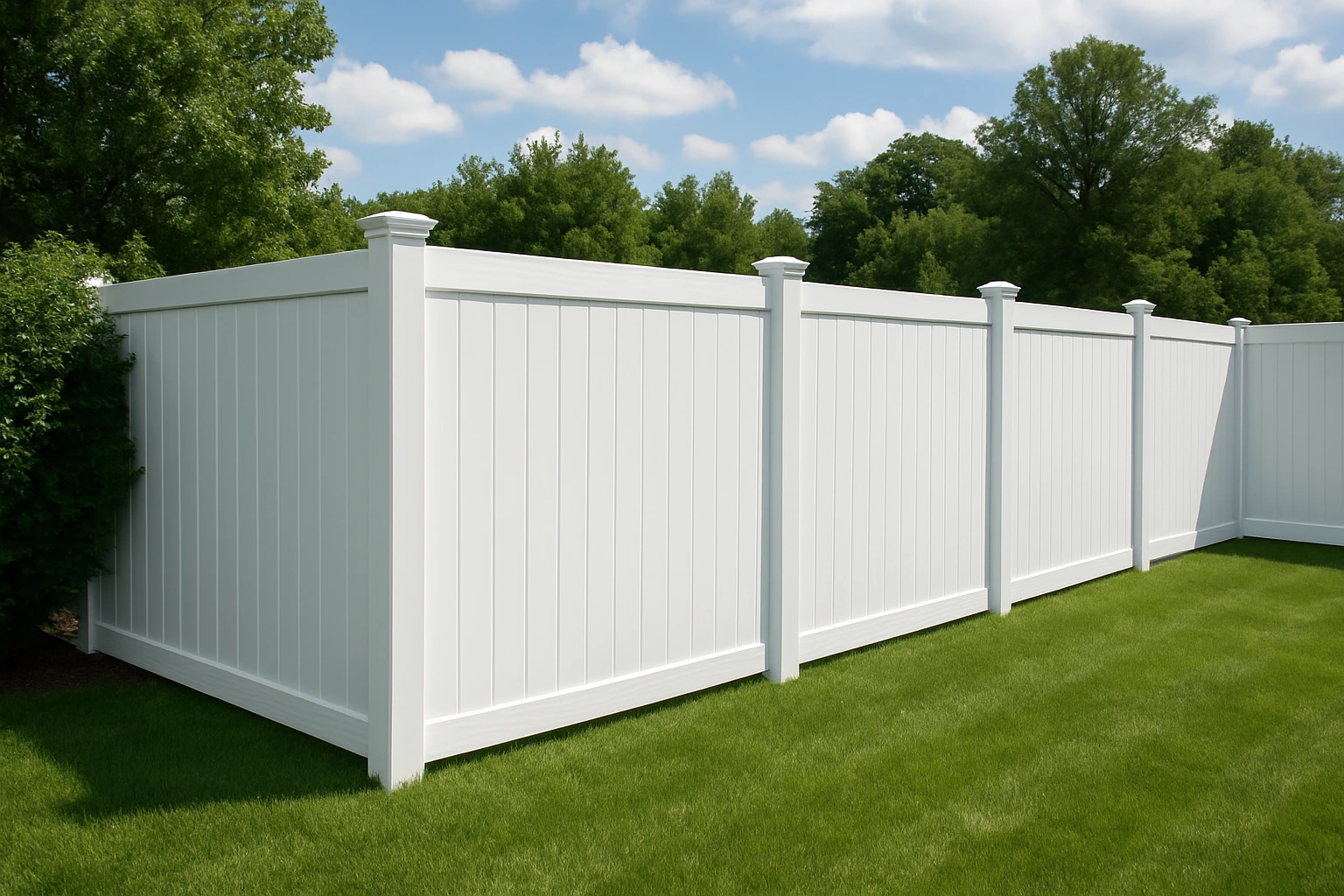
The permanent line goes in when the footprint is settled: curb and pavement placed, utility trenches backfilled, grades final, and gate locations confirmed against the survey. On a multi-building or multi-tenant site it is usually installed in segments tied to each completed phase rather than all at once, which keeps a finished yard or leased pad enclosed while the next phase is still under construction. That is the stage when commercial fence installation in Romeoville, IL typically follows the civil work instead of leading it.
Sequencing Both Around Live Phases
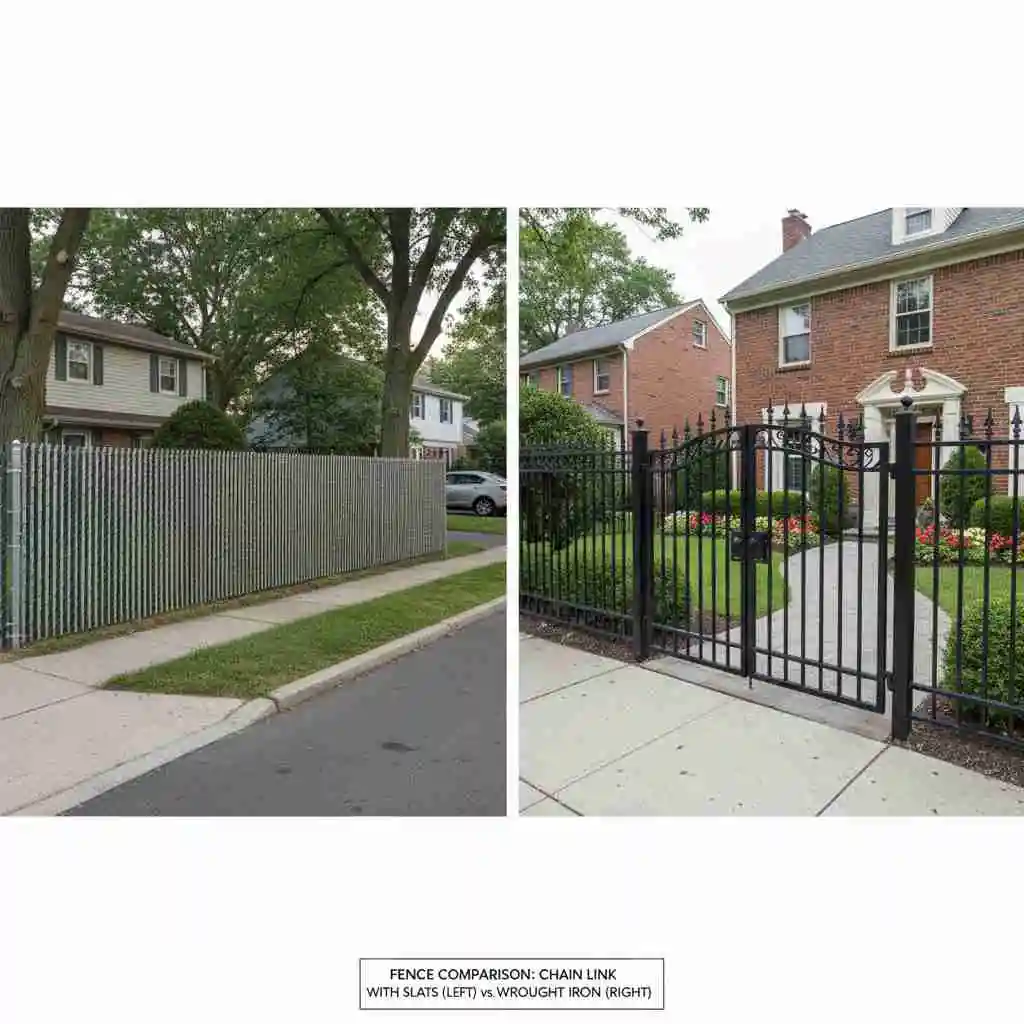
Most phased projects run both boundaries at the same time. Temporary chain link or barricade panels hold the construction envelope, while the permanent perimeter holds the finished, operating side: an occupied warehouse yard, a leased retail frontage, a completed section of the site. Where the two meet, gate positions and drive aisles have to be coordinated so traffic and deliveries never cross a live work zone. Bringing in a commercial fence contractor in Romeoville, IL early enough to review the phase plan, property lines and sight triangles keeps the temporary and final alignments from fighting each other.
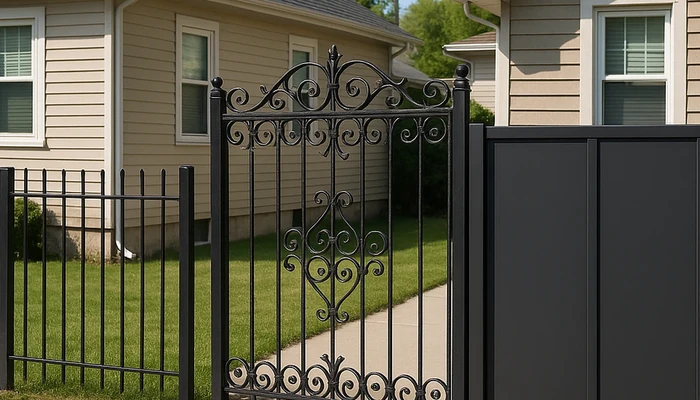
Before locking a sequence, it helps to define what the property has to do over the next six to twelve months: stay sealed with no public access, keep trucks moving, or present as finished at turnover. A short on-site assessment usually settles it — walk the phase lines, confirm where the permanent fence will actually land, mark gates and access points, and flag what has to remain movable. Owners weighing a heavier finished boundary, including security fence installation in Romeoville, IL, generally confirm the permanent layout before the first temporary panel is set.
 Skip to content