A business perimeter is rarely quoted in a format that makes materials easy to judge. Facility managers comparing estimates across Kane County often end up holding several systems side by side and still asking which one belongs on their property. Splitting the perimeter into its real jobs — customer-facing frontage, fleet and employee access points, service yards, screening walls and long industrial runs — makes the answer far clearer. The comparison below sorts wood, aluminum, wrought iron, vinyl, chain link and steel by perimeter purpose, security, maintenance and visual impact, which is the same breakdown a commercial fence company in Geneva IL uses when scoping a site.
Match Each System to the Perimeter Job
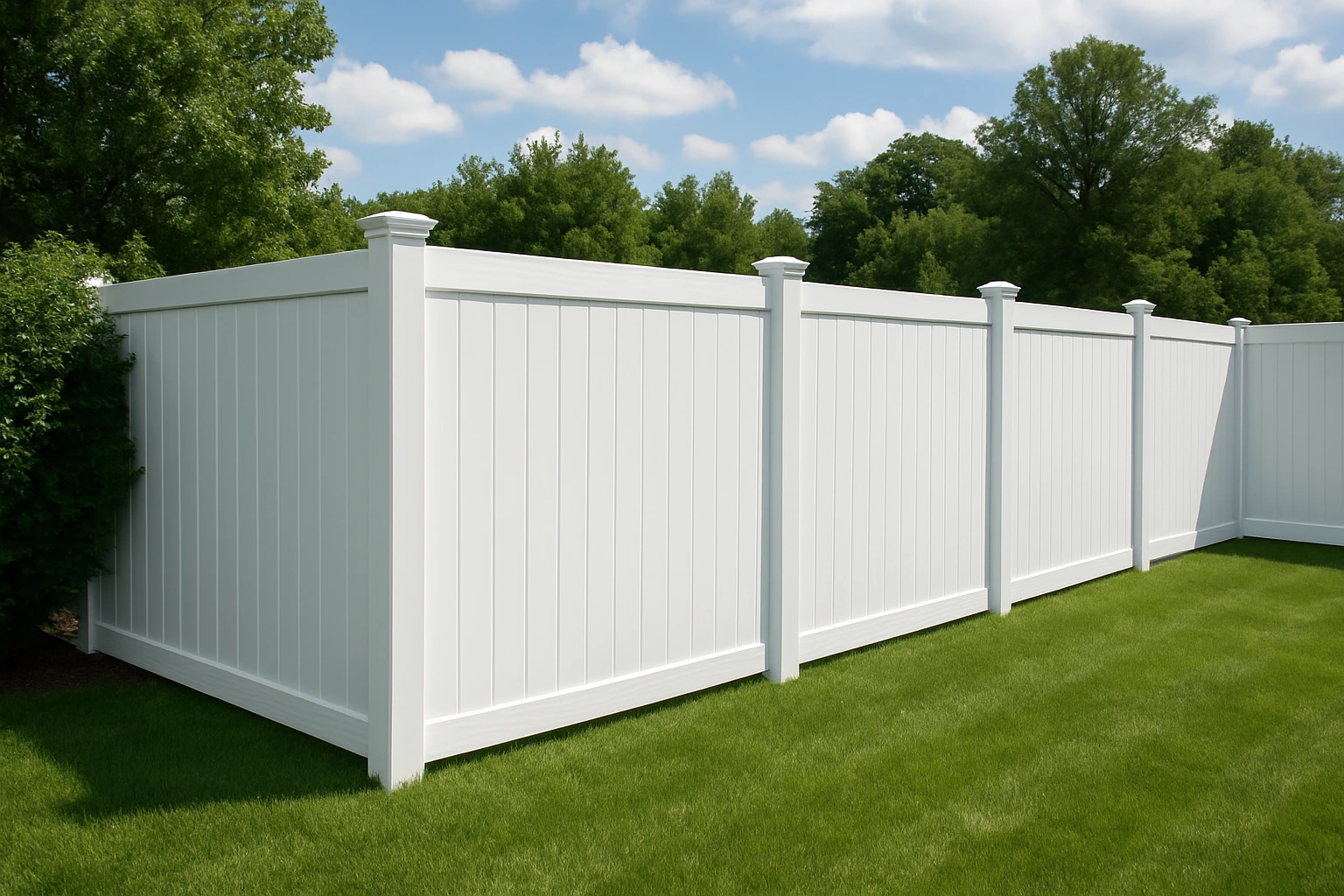
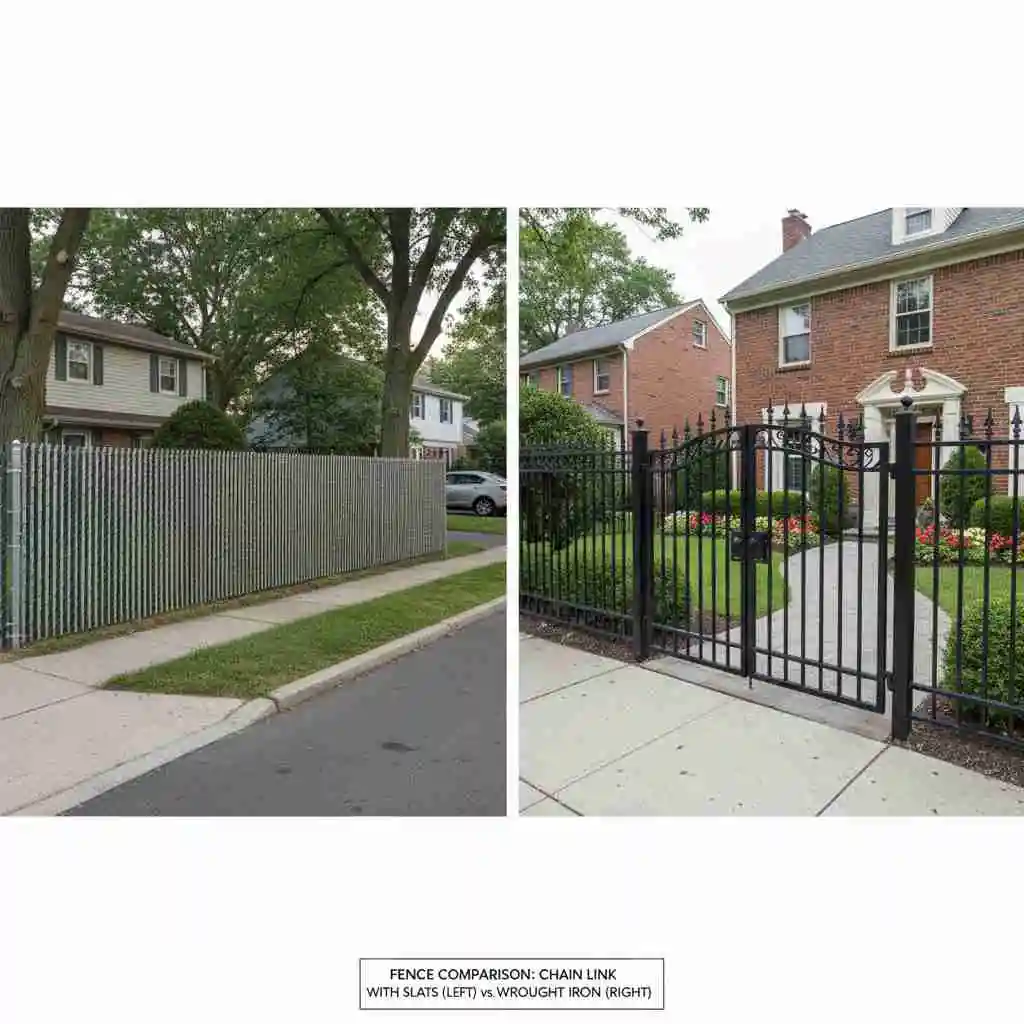
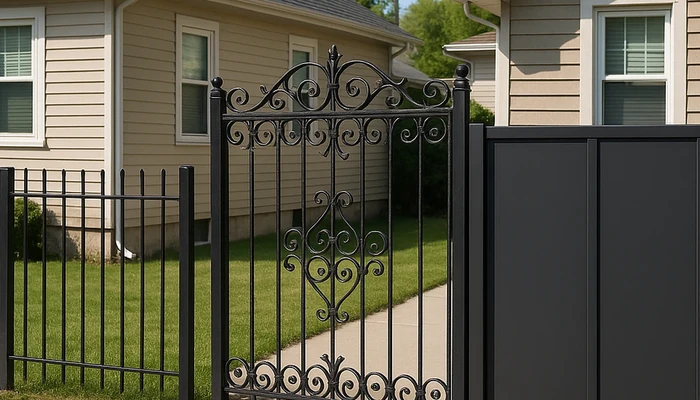
Chain link and steel carry the long, functional runs: loading areas, storage yards and back-of-house boundaries where supervisors and cameras need an unobstructed view. Wrought iron and aluminum are entry systems. They define drive approaches, frontage and pedestrian gates with an open, finished look that still lets staff see who is arriving. Vinyl and wood handle screening — dumpster pads, mechanical equipment, neighboring sight lines and employee break areas. Tying one system to a stretch of perimeter rarely fails; choosing a single material for an entire property usually does.
Security and Maintenance Trade-Offs
Security performance follows the frame and the gate more than the panel. Steel and heavier-gauge assemblies resist cutting and bending better than light-duty ones, and chain link pairs naturally with access control hardware, card readers and automated gates. Aluminum and wrought iron slow entry and make it visible, but they are specified for boundary definition and appearance rather than heavy-duty containment. Vinyl and wood deliver privacy and block sight lines into a yard; the trade-off is upkeep, since wood needs staining and board replacement while vinyl holds its color without painting.
Visual Impact Over Time
Appearance decisions concentrate on frontage, drive approaches and customer parking. Aluminum and wrought iron read as permanent and architectural, vinyl reads as uniform and low-maintenance, and wood reads as natural but shows repairs as it ages. Chain link recedes against a treeline or building wall, and both chain link and steel accept darker finishes when a perimeter should disappear instead of announce itself. Judging the fence at year eight rather than month one keeps the choice practical.
Settle These Points Before Approving a Material
Three items decide most projects: sight lines at drive approaches and intersections, drainage and utility routing along the fence line, and gate placement against truck turning radii. A site walk that checks those points — plus the height and visibility limits that apply to the parcel’s zoning — resolves most disagreements between competing quotes. Ask the commercial fencing contractors in Geneva, IL to mark all three on a plan, and to put warranty coverage for posts, panels, gates and hardware in writing, since terms vary by material and manufacturer.
From Comparison to a Scoped Plan
Once the perimeter is divided by function, the remaining work is measurement. A commercial fence contractor in Geneva, IL will walk the linear footage, note grade changes and terrain, confirm gate and access-control needs, and sequence the work so loading cycles and deliveries keep running.
Scheduling commercial fence installation in Geneva, IL around operating hours is part of that plan, not an afterthought. So is deciding where pedestrian and vehicle gates fall, how they are controlled and who holds access after handover. The value of a trusted local fence provider is continuity: the same scope, the same measurements and the same points of contact from the first walk-through to the final review.
Turning the Comparison Into a Decision
When two systems still look viable on paper, a short site assessment settles it faster than another round of email. Bring the quote you are comparing, approximate linear footage, gate locations, the nearest cross street and photos of the existing perimeter. A commercial fence company in Geneva IL with a commercial and industrial focus can then weigh performance, maintenance and appearance on the actual property and recommend the mix that fits. A company call to (872) 588-8007 during business hours, Monday through Saturday, 7 AM to 6 PM, is often the fastest way in, or you can request a site-specific assessment online.
 Skip to content