Matching Materials to Warehouse, Retail, Multifamily, and Municipal Sites
Fence material decisions on a Batavia business property usually come down to one question: what should the perimeter do for this site? A warehouse yard, a retail frontage, a multifamily community, and a municipal facility each ask for a different balance of visibility, access control, screening, and long-term appearance.
Commercial fencing in Batavia, IL rarely fails because of the material itself. It fails when a material is chosen without matching it to the property type, the traffic pattern, the sightlines, and the way the site is managed day to day. Because the answer depends on the property rather than on the product, this comparison is organized by property type, and a commercial fence company in Batavia IL that installs every major system can match material to site instead of steering each project toward one product line.
Warehouse and Industrial Yard Perimeters
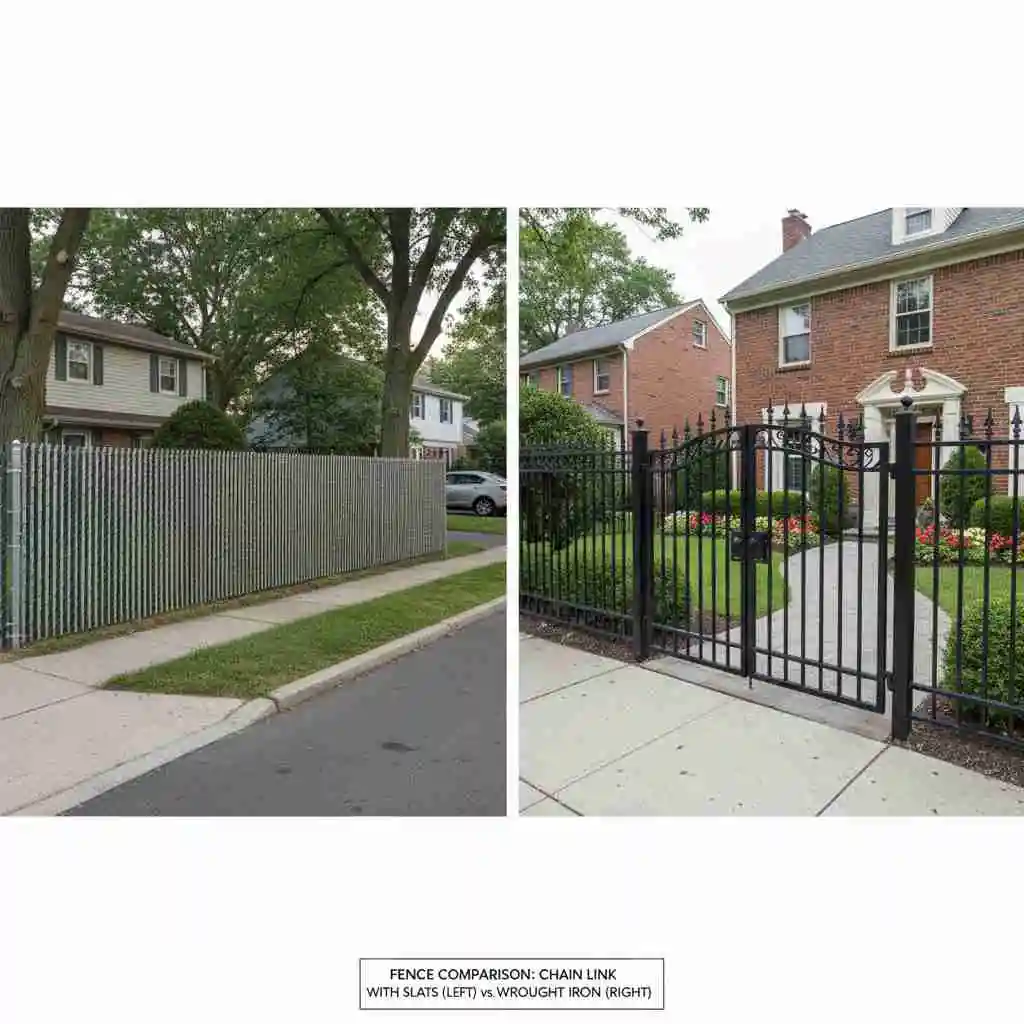
For warehouses, distribution yards, and outdoor storage, chain link remains the practical baseline. Chain link fence installation in Batavia, IL typically pairs a galvanized or powder-coated framework with swing or slide gates sized for truck traffic, keeping the perimeter easy to read, repair, and inspect at night. Where a site stores high-value equipment or the intrusion risk is higher, steel adds height, tighter mesh, and a more rigid frame; the trade-off is cost and a heavier post-and-footing design that has to be confirmed during the site assessment.
Retail, Office, and Customer-Facing Frontage
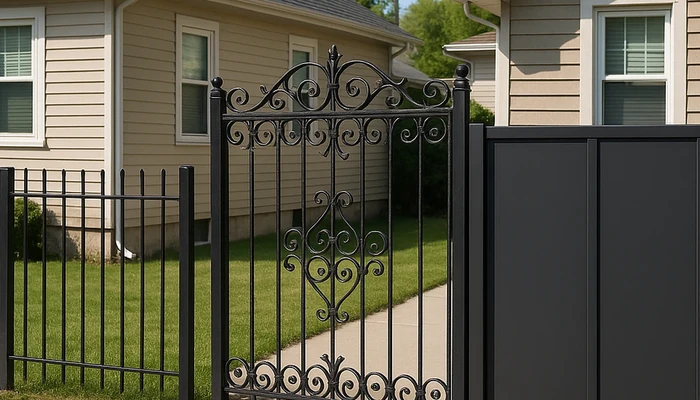
The frontage of a retail center or office property is judged as part of the property itself. Aluminum and wrought iron keep a perimeter visually light while still defining boundaries, controlling entry points, and supporting ornamental gates that can be automated. Both hold their finish with less frequent repainting than bare steel, which matters when street-side appearance affects leasing and customer impressions. Mixing systems on one site is also normal: screening around dumpsters and service yards does not have to match the material used along the street.
Multifamily and Mixed-Use Properties
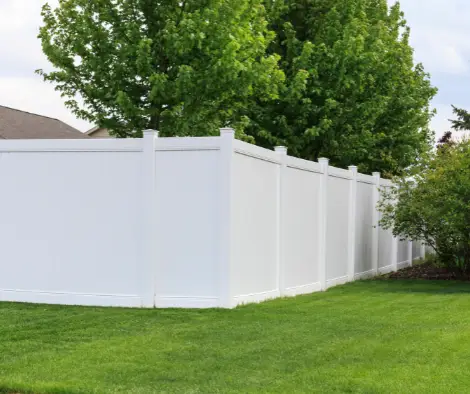
Multifamily and mixed-use properties usually need two things at once: privacy where residents live and visibility where they enter and park. Vinyl and wood are common choices for screening and separation because they block sightlines and soften sound along shared areas, while shorter runs near entrances keep sightlines open. Upkeep differs in practice. Vinyl wipes clean and resists moisture, while wood needs periodic staining and fastener checks, so property managers should plan the upkeep cycle and not only the installation.
Municipal, School, and Institutional Sites
Municipal, school, and institutional properties tend to prioritize sightlines, durability, and predictable access rather than privacy. Steel and aluminum frames with matching gates work well around utility yards, equipment storage, and athletic areas, while chain link covers long runs cost-effectively. Commercial fence installation in Batavia, IL on these sites also brings more coordination into the schedule: multiple access points, right-of-way considerations near intersections, and staging that keeps the property usable while fencing goes in.
Comparing the Trade-Offs at a Glance
- Visibility versus privacy: chain link, steel, and aluminum keep sightlines open; vinyl and wood close them for screening.
- Maintenance load: vinyl and aluminum need the least routine upkeep, wood needs periodic staining, and steel benefits from finish inspection.
- Security demand: steel carries the highest deterrence for high-risk storage, while reinforced chain link handles most commercial yards at a lower cost.
- Gate and access planning: any material can carry manual or automated gates, but heavier gates change post and footing design and should be decided before the layout is fixed.
Material is only half of the decision. Before anything is ordered, the property should be walked and the layout checked against the permit, easement, and drainage conditions that apply to that parcel. That is where a commercial fence contractor in Batavia, IL adds the most value: property type first, material second, access and gate plan third. With 35 years of commercial and industrial fencing experience behind the commercial fencing team, most of these comparisons are settled in a single site assessment, with a perimeter that fits how the property actually operates.
 Skip to content