 Skip to content
Rooftop HVAC and Mechanical Yard Enclosures: Security That Doesn’t Block Maintenance
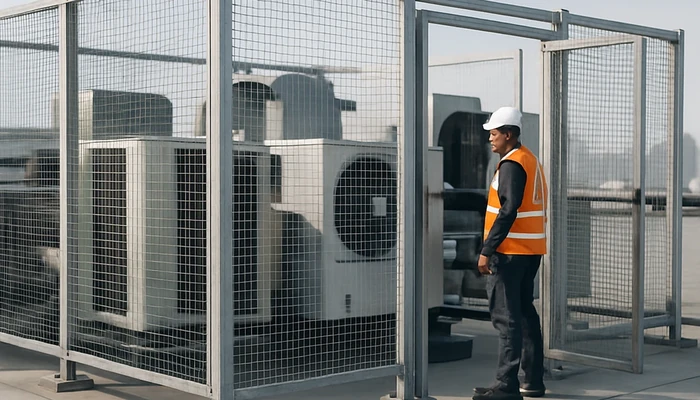
Securing your property’s critical infrastructure—especially rooftop HVAC units and mechanical yard equipment—has never been more important. Yet for many homeowners and property managers in Chicago, Illinois, the options for rooftop HVAC and mechanical yard enclosures can seem overwhelming. Choose the wrong solution, and you might end up blocking vital maintenance access or violating local building codes. Choose an inadequate enclosure, and expensive equipment is left vulnerable to theft, tampering, or weather damage. Rooftop HVAC and Mechanical Yard Enclosures: Security That Doesn’t Block Maintenance is designed to cut through this confusion. You’ll learn what makes for a good enclosure, explore professional fence options, weigh security and access trade-offs, and discover how Chicago Commercial Fencing solves these challenges every day in the Midwest’s demanding climate. By the end, you’ll know how to safeguard your equipment without compromising safety or serviceability.
Why Secure Rooftop and Mechanical Yards?
Buildings in Chicago frequently rely on rooftop HVAC units and outdoor mechanical yards for heating, cooling, and essential support systems. Unfortunately, these areas are often targets for theft, vandalism, and even unintentional damage by unauthorized access. Proper enclosures serve several real-world purposes:
- Deterrence: A secure fence or cage discourages tampering and break-ins.
- Protection: Physical barriers shield equipment from wind-blown debris and extreme weather.
- Compliance: Many local codes and insurance carriers require minimum levels of security, especially for commercial or multi-family buildings.
- Safety: Controlled access can prevent accidents involving roof or yard hazards.
However, the challenge is selecting an enclosure that protects without making repairs and inspections unnecessarily difficult. Let’s break down the key requirements for successful perimeter security and safe maintenance.
Understanding Key Requirements for Enclosures
An effective rooftop HVAC or mechanical yard enclosure in Chicago, Illinois should:
- Meet building codes and regulations—check with local authorities for fence height, wind load, fire egress, and materials restrictions. See ICC’s code resources for national standards.
- Balance security with access—technicians need to move bulky equipment and tools, so doors or panels must open fully and lock securely.
- Resist Chicago’s climate—wind, ice, and freeze/thaw cycles demand durable, properly anchored fencing.
- Integrate with your building’s design—enclosures should respect architectural lines, rooftop loading, and sightlines for both tenants and neighbors.
- Allow for ventilation and drainage—trapped heat or snowmelt can harm HVAC performance.
Every solution is a compromise among these points—the right fencing partner helps you make the best trade-offs for your property’s needs.
Types of Rooftop HVAC and Mechanical Yard Enclosures
Enclosures range from simple chain link cages to custom-designed architectural panels. Let’s explore common types:
1. Chain Link Fencing with Privacy or Security Add-ons
- Features: Economical, fast to install, allows airflow, can be fitted with privacy slats or wind screens.
- Security: Upgrades include anti-climb mesh, barbed wire, or tamper-proof hardware.
- Maintenance: Galvanized or coated options resist rust—see our chain link lifespan guide.
- Access: Wide gates and removable panels keep maintenance easy.
2. Steel or Aluminum Panel Systems
- Features: High strength, customizable for aesthetics, can match architectural details.
- Security: Impact-resistant; can be built to high wind and code specifications.
- Maintenance: Powder coatings or anodized finishes provide long-term durability.
- Access: Multi-panel systems enable large, lockable service openings.
3. Modular Louvered Screening
- Features: Minimizes visual impact while allowing airflow; often custom sized for HVAC units.
- Security: Difficult to climb; can include lockable service doors.
- Maintenance: Aluminum or composite options resist rust, require minimal upkeep.
4. Custom Hybrid Solutions
- Features: Combines materials—such as chain link with steel posts—to balance budget, strength, and appearance.
- Security & Maintenance: Designed case-by-case by fencing specialists like Chicago Commercial Fencing for local code compliance and site needs.
Balancing Security and Maintenance Access
The toughest challenge with rooftop HVAC and mechanical yard enclosures? Keeping valuable equipment secure without blocking technicians or creating unsafe working conditions. Here’s how to approach design trade-offs:
- Gates vs. Removable Panels: Gates are great for frequent access; panels can be removed for major repairs.
- Door Hardware: Use heavy-duty, code-compliant locks that authorized users can operate in emergencies.
- Clearance Requirements: Always provide enough room around equipment for code-mandated service clearances and air movement.
- Visual Transparency: Open fencing improves supervision, but privacy screens may be needed for some properties.
Professional planners will involve your building’s HVAC and maintenance staff early in the enclosure design process. For more on integrating security and access, see Perimeter Security: A Comprehensive Overview.
Materials: Pros, Cons, and Maintenance Reality
Your enclosure’s material affects not only cost and appearance, but also long-term durability and upkeep:
| Material | Strength | Weather Resistance | Maintenance | Style Options |
|---|---|---|---|---|
| Galvanized Chain Link | Moderate | Good (resists rust) | Low | Silver, privacy slats available |
| Vinyl-Coated Chain Link | Moderate | Excellent | Very low | Green, black, brown |
| Steel Panels | High | Excellent | Low | Customizable colors/patterns |
| Aluminum Panels | Good | Excellent (won’t rust) | Very low | Color, texture variety |
| Louvered Screens (Aluminum/Composite) | Good | Excellent | Minimal | Modern, architectural |
From our experience as a fence company in Chicago, Illinois, durable coatings and corrosion resistance matter most for rooftop and exposed installations exposed to harsh climate cycles. For a closer look at modern material improvements, consider Latest Technologies in Industrial Iron Fencing.
Code Compliance and Safety Considerations
Chicago’s municipal codes, national standards (such as the International Code Council), and your insurance carrier all direct some aspect of HVAC or mechanical yard fencing. Common code considerations include:
- Minimum/maximum fence heights
- Fire egress routes: doors cannot block escape paths or roof exits
- Wind load specifications (especially on rooftops)
- Impact and tamper-resistance (for some occupancies)
- Non-combustible or self-extinguishing materials requirements
Always check with your local building department, condo association, or property insurance advisor before starting any enclosure project. For more tips, review building design best practices.
Planning: Working with Fence Professionals
Every property is unique, with variables like building structure, wind exposure, equipment placement, and tenant needs all affecting the ideal enclosure solution. At Chicago Commercial Fencing, our planning process involves:
- Site Inspection: Assess roof or yard layout, equipment positions, and access routes.
- Code/Permit Review: Ensure design meets all codes before fabrication.
- Material Selection: Based on durability, budget, and building design.
- Gate/Panel Placement: Guarantee maintenance access and emergency egress.
- Secure Anchoring: Consider wind and weather loads for rooftop installations.
Homeowners in Chicago, Illinois often ask about typical project steps and timing. Expect initial consultation, design, fabrication (when custom), and then efficient installation—usually within a few days to a week for standard solutions.
Practical Maintenance: Keeping Your Enclosure Secure and Accessible
Even the toughest fence or screen needs periodic attention. Here’s how to keep your investment functional for years:
- Inspect for rust, loose hardware, or door/gate misalignment twice a year—especially after harsh winters.
- Lubricate locks and hinges before seasonal freeze-ups.
- Clear snow and debris from access routes and drain areas around the enclosure to prevent water pooling.
- Check privacy screens or panels for wind damage after storms.
- Immediately repair cut mesh, dented panels, or broken locks to maintain security.
For deeper maintenance guides, visit Preventive Maintenance for Iron Fences, or explore Common Wood Fence Problems if your enclosure uses wood elements.
Cost Factors and Budgeting for Enclosures
Project budgets can vary depending on:
- Total length and height of fencing required
- Material choice and coatings
- Custom fabrication vs. standard panels/cages
- Complexity of anchoring on rooftops or in hard surfaces
- Number, size, and type of access gates/doors
Always request clear, itemized quotes—compare line-by-line to avoid surprises. Chicago Commercial Fencing ensures transparency, delivering realistic cost and material scenarios. Contact us to request a fence estimate.
Incorporating Security Technology
Physical barriers are the first defense, but modern enclosures may also include:
- Electronic locks with key cards or keypad access
- Surveillance camera mounts on fencing or roofs
- Security lighting for yards and rooftop perimeters
- Alarmed gates or access points with notification systems
These enhancements require careful wiring routes and code review. Learn more about fence-integrated technology at Perimeter Security: A Comprehensive Overview.
Frequently Asked Questions (FAQ)
What’s the most common enclosure for rooftop HVAC units?
Chain link fencing (often with vinyl coating and specialized gates) is the most common due to its balance of cost, ventilation, and code compliance, but aluminum or architectural panels are also popular for aesthetics.
Do Chicago building codes restrict the height or style of rooftop enclosures?
Yes. Most municipalities, including Chicago, limit height and require enclosures to be non-combustible, properly anchored, and designed not to obstruct emergency exits. Always check with your building department and reference ICC resources for details.
Can I install rooftop enclosures myself?
DIY installation is not advised due to wind load, waterproofing, and code complexity. Professional evaluation and installation assure safety, compliance, and warranty coverage.
How do I maintain access for large equipment replacements?
Plan enclosure gates/panels that are fully removable or able to swing wide enough for any equipment pieces you might someday replace or service. Standard doors may be insufficient for large units.
Should mechanical yard fencing be opaque (privacy) or open (see-through)?
Open fencing improves ventilation and supervision; privacy panels may better deter theft and shield unsightly equipment. Local code or site aesthetics often determine the right solution.
What is the average cost per linear foot for rooftop enclosures?
Typical costs range from $45–$120 per linear foot, depending on height, material, complexity, coatings, and site factors. Custom architectural panels or added technology may increase cost.
Will enclosures affect my building insurance?
In most cases, proper enclosures can reduce insurance premiums by lowering risk of theft or damage, but requirements vary—always consult your carrier.
Do these enclosures require maintenance?
Yes. Regular inspection, minor repairs, and seasonal cleaning extend the life and security of your enclosure. Even powder-coated and aluminum models benefit from basic upkeep.
How can I find out which solution is best for my location?
Request a site survey by a local expert. Chicago Commercial Fencing can help evaluate your needs and recommend code-compliant, accessible options for rooftop or yard enclosures.
Resources and Next Steps
For a deeper understanding of property and commercial security, explore:
- Comprehensive guide to perimeter security
- Understanding perimeter security basics
- Key questions to ask before hiring a fence company
If you need secure, easy-access enclosures for your rooftop or mechanical yard, contact Chicago Commercial Fencing for honest advice. Your equipment’s security and serviceability are always our top priorities.
Whether you’re outfitting a new property or upgrading for compliance and peace of mind, understanding the trade-offs in rooftop HVAC and mechanical yard enclosures is essential. With good planning and the right fencing partner, you can maximize security and keep maintenance simple. Ready for your next project? Request a quote with our commercial experts—or browse our guides to learn even more.
About Chicago Commercial Fencing
Chicago Commercial Fencing is a professional fence company with over 15 years installing fences in the Chicago, Illinois area. We serve homeowners and businesses with durable, code-compliant solutions in wood, steel, aluminum, vinyl, and chain link—specializing in both residential and commercial projects. Our team emphasizes clear education, realistic expectations, and compliance with all local regulations. Fully insured and committed to transparency, Chicago Commercial Fencing helps each client choose the right fence for their needs and budget.
fences security, fence in the city of chicago, fence in chicago, fence Logan Square, fence Bedford Park IL, fence solutions Rogers Park IL, fencing Northbrook, fence replacement North Center, fence in the city of Lincolnwood IL, best fence Cook County
