 Skip to content
Indoor Security Fencing and Wire Mesh Partitions: Securing Inventory Without New Walls
For many homeowners and property managers, securing inventory and high-value items inside a building presents a unique challenge. How do you protect what matters most without expensive remodels or constructing new walls? Indoor security fencing and wire mesh partitions offer a flexible, robust solution—especially for those looking to balance budgets, meet safety codes, and ensure long-term utility. In this comprehensive guide, we’ll break down the basics of these security systems, look at major types and materials, walk through trade-offs, examine local considerations (including Chicago codes), and set realistic expectations around installation and ongoing maintenance. If you’re exploring ways to safeguard your assets indoors—whether for a warehouse, multi-family property, or private garage—read on. As a company with years of Chicago experience, Chicago Commercial Fencing is here to provide the clear explanations and honest advice you need to make an informed decision.
What Are Indoor Security Fencing and Wire Mesh Partitions?
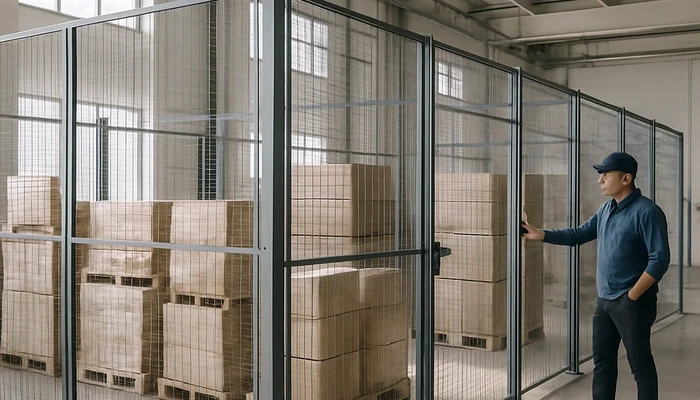
Indoor security fencing refers to purpose-built barriers designed to separate, secure, or restrict access inside existing buildings. Instead of constructing permanent drywall or masonry walls, these systems use tough frameworks (often metal posts and panels) and industrial-grade wire mesh to create enclosures, cages, or room dividers. Wire mesh partitions are especially common in storage rooms, warehouses, data centers, and residential garages—anywhere you need visibility, airflow, and security.
- Flexibility: Panels can be reconfigured or moved as needs change.
- Cost-effective: Often less expensive and quicker to install than constructing permanent walls.
- Visibility & Security: See through the barrier while maintaining strong physical protection.
Solutions range from small storage cages to full-sized partition rooms with locking entry gates.
Key Benefits of Indoor Security Fencing
- Inventory Protection: Prevents unauthorized access and deters theft.
- Safety Compliance: Helps businesses meet OSHA and local building requirements for separation of hazardous materials or equipment zones.
- Insurance Requirements: Many insurers require or recommend secure inventory zones.
- Customizable Layout: Easily adapts as your storage needs or floor plans evolve.
- Reduced Downtime: Faster to deploy compared to building traditional walls, minimizing business disruption.
Major Types of Indoor Security Fencing and Wire Mesh Partitions
Depending on your application—residential, commercial, industrial—the best fencing option may vary. Below are the most common types:
- Wire Mesh Cages: Freestanding enclosures for valuable equipment or stock.
- Full-Height Partitions: Extend from floor to ceiling, ideal for complete separation of spaces.
- Storage Lockers: Smaller sections for individual storage—popular in apartment buildings and condos.
- Driver/Access Cages: Used at loading docks to securely receive deliveries while restricting internal access.
- Tool & Equipment Compartments: Designated areas within workshops or garages for items needing extra protection.
Wire Mesh Materials & Build Options
The effectiveness and durability of your system will depend largely on the materials chosen. Here are the primary categories:
- Galvanized Steel Wire Mesh: Offers strong resistance to corrosion and damage. Galvanization, as detailed by the American Galvanizers Association, coats steel with a protective zinc layer for extended life and low maintenance.
- Powder-Coated Steel: Adds a durable, colored layer for enhanced aesthetics and further rust resistance, popular in office or public-facing settings.
- Modular Panel Systems: Prefabricated panels can be assembled and reconfigured as storage needs change.
- Expanded Metal Mesh: Heavier-duty than typical wire grid—best for high-security zones.
Doors and gates may include heavy-duty locks, card readers, or padlock fittings to meet your specific security requirements.
Comparing Indoor Security Fencing to Other Barrier Types
| Attribute | Wire Mesh Partitions | Drywall Partitions | Chain Link Fencing |
|---|---|---|---|
| Security Level | High | Low (unless reinforced) | Medium |
| Visibility | Excellent | None | Good |
| Air Circulation | Unrestricted | Limited | Good |
| Cost | Moderate | High | Low–Moderate |
| Reconfiguration | Easy | Difficult | Easy |
| Maintenance | Low | High | Low |
Applications: Where Are Indoor Security Fences Used?
- Warehouses: For segregating inventory, sensitive equipment, or restricted areas.
- Residential Garages and Basements: Secure tool storage, valuables, or personal possessions.
- Multi-Family Buildings: Storage lockers for tenants, keeping personal items safe yet accessible.
- Retail Environments: Prevent shrinkage by separating high-value goods or backroom stock.
- Offices: Access control for IT rooms, files, or confidential items without altering existing layouts.
Code and Legal Considerations for Chicago, Illinois
Building codes in Chicago, Illinois require compliance with structural safety, fire access, and emergency egress rules—even for indoor partitions. Before installing wire mesh fencing:
- Check local and state building codes or consult with a qualified contractor.
- Coordinate with your property’s fire safety officer to ensure partitions do not block exits or sprinkler systems.
- Multi-family properties frequently have additional storage and separation requirements.
- For commercial buildings, OSHA and insurance regulations may guide the type and securement of fencing allowed.
From our experience as a fence company in Chicago, Illinois, engaging professionals who understand both practical installation and code compliance saves time, costs, and future headaches.
Cost Breakdown: What to Expect
Prices for indoor security fencing and wire mesh partitions vary depending on several factors:
- Material Quality: Galvanized and powder-coated meshes cost more upfront but last longer and reduce maintenance expenses.
- Complexity: Adding doors, locks, or integration with building security systems increases cost.
- Size & Height: Full-height partitions and large cages require more materials and labor.
- Accessibility and Permitting: Buildings that require after-hours installation, special equipment, or strict code adaptation may have higher labor costs.
As an estimate, most professionally installed indoor security fencing projects in the Chicago area can range from $22–$55 per linear foot, with custom cages or high-security barriers costing more. Always request a detailed quote, and remember that maintenance and code compliance add to the lifetime value of your investment.
Longevity and Maintenance of Indoor Mesh Fencing
The durability of your fencing depends on both material selection and regular upkeep. Quality galvanized steel mesh provides years of secure service with little attention—especially in the controlled environment of indoor spaces. According to the American Galvanizers Association, hot-dip galvanized coatings last for decades, offering robust protection against corrosion.
Simple maintenance tips:
- Inspect locks and hinges regularly for signs of wear or mechanical failure.
- Check for loose panels or posts and tighten connections as needed.
- Clean mesh panels with a damp cloth to remove dust and accumulated debris.
- If you spot rust or surface scratches, address them promptly with touch-up paint or professional attention.
For more on durability and steel fence options in outdoor settings, see our related guides on durability in extreme climates and choosing the right steel fence.
Safety, Security, and Design Considerations
Indoor fencing is only as effective as its weakest point. Consider these key factors:
- Access Control: Use tamper-resistant locks or integrate with building access systems for audit trails.
- Fire Safety: Ensure emergency exits remain clear and accessible. Mesh should not impede escape routes, alarms, or sprinklers.
- Child and Pet Safety: For residential uses in multi-purpose spaces, opt for smaller mesh sizes and secure latching mechanisms to prevent climbing and unintended access.
- Lighting and Visibility: Wire mesh preserves visibility and does not block lighting, making it well-suited for areas requiring supervision.
- Custom Finishes: Powder coating offers color options to blend with décor or support branding in commercial spaces.
Balance toughness and accessibility: your design should keep out the wrong people—without inconveniencing authorized users.
Installation: Steps and Professional Considerations
- Site Assessment: Plan for doorways, equipment access, windows, HVAC or fire system compatibility.
- Design & Layout: Use a modular approach for future reconfiguration. Consider both present and likely future needs.
- Material Selection: Choose mesh gauge, finish, and framing to match both environment and security level.
- Permitting: Check with city or property managers if permits or notice are required.
- Professional Installation: A qualified fence company ensures secure anchoring and precise assembly. In Chicago, installation must be code-compliant and may require inspections.
- Post-Install Checks: Inspect for sharp edges, stable footing, and door function. Confirm that emergency egress and safety equipment remain unobstructed.
Wire Mesh Styles: What’s Best for You?
The mesh “pattern” and gauge (thickness) affect both looks and security:
- Square/Rectangular Grid: Most common; balances visibility and protection. Small openings prevent reach-through.
- Expanded Metal: For high-security settings, even tougher to cut or climb.
- Decorative Options: Available in powder-coated finishes to match interior aesthetics for upscale or office spaces.
Comparing Wire Mesh Partitions to Other Indoor Security Solutions
| Solution | Pros | Cons | Best For |
|---|---|---|---|
| Wire Mesh | High visibility, strong, flexible, cost-effective | Not soundproof, some aesthetic considerations in offices | Warehouses, storage, data rooms, rental units |
| Solid Walls | Sound insulation, maximum privacy | High cost, permanent, slow to install | Private offices, secure file rooms |
| Chain Link, Indoor Grade | Quick install, decent security | Lower tamper resistance than mesh partitions | Basic storage |
When to Choose Indoor Security Fencing Over New Walls
Choose wire mesh partitions and indoor fencing when you:
- Need to protect or separate valuable inventory without major renovation.
- Expect your space needs to change over time.
- Require airflow, supervision, or compliance with storage insurance rules.
- Want to minimize business disruption and project timelines.
If maximum soundproofing or visual privacy is needed, explore solid wall options—otherwise, mesh fencing usually outperforms for most flexibility, cost, and long-term use.
Realistic Expectations: Lifespan, Upkeep, and Ownership
A properly-installed galvanized or powder-coated wire mesh system indoors can last decades, often outliving fixtures or shelving. Expect minimal maintenance if inspections are routine and the environment remains dry. Repairs are generally fast and limited to replacing lock hardware or a mesh panel if damaged.
Remember, every building is different—be sure to get a tailored quote for your space, and always check with your insurance carrier before major upgrades.
Further Resources and Next Steps
- Want to compare steel fence design choices for indoor or outdoor use?
- Curious about how to prevent corrosion on steel fences over time?
- Ready for an expert consultation? Contact Chicago Commercial Fencing for clear advice and a transparent quote.
Frequently Asked Questions: Indoor Security Fencing and Wire Mesh Partitions
- How secure are wire mesh partitions compared to solid walls?
Wire mesh partitions with strong frames and high-quality locking hardware offer robust security for inventory and access control. While not as soundproof or private as solid walls, their strength and visibility provide a powerful deterrent to unauthorized access. For the highest security, select tighter mesh openings and tamper-resistant fasteners.
- What is the lifespan of galvanized steel indoor fencing?
With proper installation and a controlled indoor environment, hot-dip galvanized mesh (see how long does HDG last) can easily deliver service for several decades with only minor upkeep. Factors such as exposure to chemicals, salt, or heavy impact may shorten the lifespan, but such issues are rare indoors.
- Do indoor mesh partitions need to comply with fire codes in Chicago?
Yes. In the Chicago, Illinois area, all permanent partitions—including wire mesh fencing—must not impede fire exits, sprinkler operation, or emergency lighting. Always review city code or consult professionals before installing any indoor barrier.
- Are wire mesh cages easy to move or reconfigure?
One of their biggest advantages is flexibility. Modular systems allow panels to be relocated or expanded as needed, making them ideal for spaces with changing requirements. Always anchor units securely to prevent tipping hazards.
- How do I choose the right mesh size and material?
For maximum security, opt for a smaller mesh opening (under 2″) and thick-gauge steel, ideally galvanized for durability. For high-traffic or highly visible spaces, powder coating can support aesthetics while boosting corrosion resistance.
- Can I install wire mesh partitions myself?
Basic systems can be assembled by skilled DIYers, but for large projects or buildings with code-compliance requirements, professional installation is strongly recommended to ensure security and legal adherence.
- Will insurance recognize wire mesh fencing as a security upgrade?
Most insurers do—especially for inventory, equipment, or personal property protection. Always check with your provider to confirm accepted solutions and any documentation required.
- What maintenance is needed for indoor mesh fencing?
Regular inspections, periodic cleaning, checking locks, and occasionally tightening fasteners. The controlled indoor environment of Chicago buildings means maintenance needs remain low for galvanized or powder-coated panels.
- Are there color or style options besides industrial grey?
Yes. Powder-coated mesh panels can be finished in a variety of colors, making them suitable for modern offices, data centers, or upscale residential buildings.
- Who should I contact for code-compliant installation in Chicago?
For code-compliant, durable installation, choose an experienced company like Chicago Commercial Fencing that understands local requirements, material choices, and long-term value.
Conclusion: Safeguard Your Inventory with Smart Indoor Security Fencing
Indoor security fencing and wire mesh partitions provide a practical, flexible alternative to permanent walls, combining strength, visibility, and long-term value. Whether you’re protecting business inventory, personal valuables, or sensitive equipment, choosing the right materials and working with local professionals ensures success. Chicago Commercial Fencing is always available to help you understand your options and get a transparent, code-compliant plan in place. For more information or a tailored quote, contact us today.
About Chicago Commercial Fencing
Chicago Commercial Fencing is a professional fence company with over 15 years of experience serving homeowners and businesses throughout Chicago, Illinois and nearby communities. Our team specializes in the installation and repair of wood, vinyl, aluminum, steel, and custom fencing solutions—always focusing on security, privacy, and local building code compliance. We are fully licensed, insured, and committed to honest advice, transparent pricing, and lasting quality.
fencing contractors chicago, steel perimeter fence Fence Chicago IL, steel fence solutions Fence Chicago IL, steel fence in the city of Bartlett, Steel Fence Old Norwood, steel fence options Forest Park IL, steel fence repair East Ravenswood IL, steel fencing Lake Bluff, steel perimeter fence High Park, Northbrook steel fence
