 Skip to content
Hot-Dip Galvanized vs Powder-Coated: Choosing Finishes That Survive Industrial Abuse
Choosing the right fence finish is more than a matter of appearance—it’s about protecting your investment and ensuring long-term performance under abuse. Homeowners and property managers in heavy-use areas face a tough decision: Should you trust tough, time-tested hot-dip galvanization, or go with the modern look and versatility of powder coating? If you’re new to industrial fence options, this article will make sense of your choices. We’ll explain what each finish actually is, where each excels (and struggles), the science behind corrosion protection, typical maintenance needs, and how Chicago’s unique climate affects longevity.
By the end, you’ll have the tools to compare hot-dip galvanized vs powder-coated finishes honestly—no marketing jargon, just facts. Chicago Commercial Fencing has installed and maintained fences across countless Chicago, Illinois industrial and commercial properties. Drawing from this experience, we’ve seen what works best in real-world Midwest conditions. Whether you need perimeter security for a business, a durable fence for a loading yard, or simply want to understand your options, this guide is for you.
Understanding the Basics: What Are Hot-Dip Galvanized and Powder-Coated Finishes?
What is Hot-Dip Galvanization?
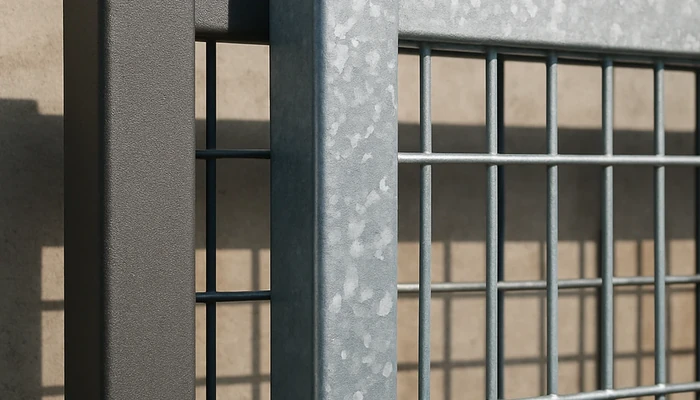
Hot-dip galvanization coats steel or iron with a protective layer of zinc. During the process, the entire fence component is submerged in molten zinc at about 840°F (449°C). The result is a thick, tightly bonded metallic shield that is highly resistant to rust and weathering. This is the “gold standard” for corrosion protection on industrial and municipal fencing.
- Pros: Exceptional rust resistance, strong protection even if scratched, proven for decades.
- Cons: Can appear dull or uneven; limited color options (usually silvery gray).
What is Powder Coating?
Powder coating is a dry finishing process where colored powder (usually polyester or epoxy) is electrostatically applied to the metal, then cured in an oven. It melts and hardens into a durable, uniform skin that resists scratches, UV fading, and chemicals. Available in nearly any color or texture, it’s prized for visual flexibility and smoothness.
- Pros: Wide range of colors and textures, smooth attractive finish, excellent impact resistance.
- Cons: May chip under severe impact, and once breached, bare steel is exposed to corrosion.
Why Fence Finish Matters: The Science of Corrosion and Protection
Steel’s greatest vulnerability is rust. When metal is exposed to moisture and oxygen—especially with Chicago’s road salts, freeze/thaw cycles, and industrial chemicals—unprotected fences quickly corrode. Finishes are your first and best defense. But not all coatings protect equally.
- Galvanized zinc acts as a sacrificial barrier: it actually corrodes first, protecting steel underneath—even if the surface is scratched.
- Powder coating seals out air and moisture, preventing rust. But if breached, corrosion begins at the weakest spot.
For more in-depth technical background on coatings and their molecular interactions, organizations such as the American Society of Civil Engineers regularly publish updates on material science and protective finishes.
Hot-Dip Galvanized Finishes in the Real World: Performance Under Abuse
How Hot-Dip Galvanized Fences Are Used
Industrial zones, storage facilities, municipal sites, and security-critical perimeters nearly always favor hot-dip galvanized finishes. The reason? Lifespan. Galvanized coatings regularly deliver 20–40+ years of function, even under daily abuse—from truck traffic to snowplows.
- Best for remote yards, unmonitored industrial sites, and any setting where the fence will take physical abuse.
- Requires minimal maintenance: occasional rinse, inspect for scratches (rarely severe enough to matter).
Recent developments in advanced galvanizing techniques and post-treatment options are reshaping durability expectations. (For more, see our discussion of next-gen coatings at Latest Technologies in Industrial Iron Fencing.)
Common Issues with Galvanized Finishes
- Matte or mottled appearance—not everyone likes the “raw” industrial look.
- White or red rust can develop in extreme cases. Usually cosmetic, rarely structural.
- Limited color range—usually silver-gray only.
Powder-Coated Fences in a Chicago Industrial Setting
Advantages of Powder Coating for Business and Curb Appeal
For property managers who want their site to look sharp—or where brand colors matter—powder coating is a go-to option. You get a smooth, even look with near-limitless color choice. Well-applied powder coat is highly resistant to minor chips, graffiti chemicals, and fading from sun exposure.
- Perfect for corporate campuses, schools, hospitals, and businesses along public-facing frontages.
- Low maintenance: usually cleans with soap and water; needs periodic inspection for chips at high-wear points.
- Pairs well with aluminum and ornamental steel constructions.
Modern powder coatings have evolved significantly (see our analysis at Latest Technologies in Industrial Iron Fencing for more on coatings and specialty blends).
Limitations and What to Watch Out For
- If the powder coat is scratched to bare steel, corrosion can spread invisibly beneath.
- Heavy impact (from vehicles, vandalism, or snow equipment) can chip the finish.
- Repairs may be visible unless fully recoated.
Galvanized vs Powder-Coated: Durability, Maintenance, and Lifespan
| Feature | Hot-Dip Galvanized | Powder-Coated |
|---|---|---|
| Corrosion Protection | Excellent, even if scratched | Excellent, but scratches can allow rust beneath |
| Visual Appeal | Industrial, matte gray | Wide choice of colors and gloss |
| Maintenance | Minimal (wash, rare repairs) | Periodic cleaning; check for chipping/repair as needed |
| Lifespan | 20–40+ years | 15–30 years (longer with good upkeep) |
| Cost | Usually lower upfront | Often higher upfront (finishing process expense) |
To compare other material choices, see our long-term breakdown at The Average Lifetime of Chain Link Fences.
How the Chicago, Illinois Climate Changes the Game
Midwest weather puts all fence finishes to the test. In the Chicago, Illinois area, freeze-thaw cycles, street salt, high winds, and road grime all accelerate wear. From our experience as a fence company in Chicago, Illinois, these factors make it doubly important to choose the right finish.
- Galvanized coatings handle salt and temperature swings best for heavily used, snow-exposed perimeters.
- Powder coatings can last—but only if chips and scratches are touched up quickly to prevent rusting.
- For fence posts and critical security fencing, double-coating (galvanization plus powder coat) may provide the ultimate defense.
When Each Finish Makes Sense: Common Use Cases
Choose Hot-Dip Galvanized When:
- Security is highest priority, and appearance is secondary
- Expecting physical abuse (loading docks, public lots, snow equipment zones)
- Maintenance budget is limited—set-and-forget performance
- You want proven, code-compliant protection (see local codes at International Code Council)
Choose Powder-Coated When:
- Appearance and curb appeal matter—business frontages, HOA neighborhoods, public facilities
- You need custom colors or logos integrated
- Willing to inspect and repair chips over time for maximum lifespan
- Light to moderate abrasion is expected
Cost Comparison: More Than Just Upfront Price
Cost differences are not just about materials—they come from installation, finish complexity, and long-term care. Galvanized fences are usually less expensive at installation. Powder-coated finishes may increase upfront costs by 15–25% but can pay off when visual standards are strict.
It’s wise to budget for occasional repairs: Powder coating may need periodic touch-ups on high-traffic zones, while galvanized finishes might require rare spot treatments if corrosion does occur.
Maintenance Realities: What to Expect Over 10+ Years
Maintaining Galvanized Fences
- Occasional washing (hose or low-pressure washer) to remove grime and salt
- Inspect every few years for signs of “white rust” or scaling—almost always harmless
- Spot-treat deep scratches with cold galvanizing spray
Maintaining Powder-Coated Fences
- Gently clean with soap and water; avoid abrasives
- Inspect twice a year for chips or scratches
- Touch up damaged areas promptly to avoid sub-surface corrosion
- Consider manufacturer-recommended repair kits or professional touch-up
Code Compliance, Environment and Safety Factors
For properties in or around Chicago, always review local building codes and zoning requirements before making a final decision (helpful resources include the International Code Council).
- Industrial and high-traffic sites often mandate hot-dip galvanizing due to predictable lifespan and low care demands.
- HOAs and municipalities with strict appearance rules may require powder-coated or custom-finished fencing.
- Chemical exposure requires discussing with your contractor: specialized powder coats may offer extra resistance.
For a comprehensive overview on compliance in Chicago, see The Impact of Local Regulations on Commercial Fence Installation.
Combining Both Finishes: Is Double-Coating Worth It?
Some fence manufacturers offer galvanized steel that is then powder-coated. This “best-of-both-worlds” approach provides robust sacrificial protection with the aesthetic and UV defense of powder coating.
- Ideal for high-visibility zones requiring both durability and color
- Higher upfront cost, lower lifetime risk of corrosion
- Still requires occasional touch-up to maintain appearance
Beyond Steel: Comparing Coatings for Aluminum, Vinyl, and Wood Fencing
Aluminum fences are usually powder coated since aluminum naturally resists rust. Vinyl and wood use different protective technologies. For more about material innovations, see:
- Current Trends in Aluminum Fences
- Advantages and Disadvantages of Vinyl Fences
- Common Wood Fence Problems
Practical Tips for Choosing the Right Finish
- Define your priorities: longevity, appearance, or low maintenance?
- Assess exposure: Heavy abuse, chemicals, salt, or just standard weather?
- Consider property type and code requirements
- Budget for maintenance down the road
- Work with a local expert who understands Chicago, Illinois conditions and regulations
If you’re looking for more guidance, explore our Key Questions to Ask Before Hiring a Commercial Fence Company.
FAQ: Hot-Dip Galvanized vs Powder-Coated Fences
- Which finish lasts longer in Chicago, Illinois winters?
Hot-dip galvanized finishes typically outlast powder-coated ones in aggressive winter climates due to better salt and freeze/thaw resistance. Powder coat can last decades if maintained, especially on double-coated steel.
- Can powder-coated fences rust?
Yes. If the powder coating is scratched or chipped to bare steel, rust can form beneath the coating. Prompt touch-up prevents this.
- What’s the cost difference between the two finishes?
Powder-coating typically adds 15–25% to the upfront cost compared to standard hot-dip galvanization. Lifelong care costs depend on site use and maintenance.
- Can you paint galvanized fences?
It’s possible, but requires special surface prep and paint. Most commercial galvanized fences are left unfinished for lowest maintenance.
- What about warranties?
Many fence fabricators offer 10–20 year warranties on finishes. Always check what’s covered—cosmetics vs. structural integrity—and ask about the specifics in your contract.
- Are there environmental reasons to choose one finish over the other?
Both processes have environmental considerations (energy, materials). Powder-coating is solvent-free, and galvanized zinc is recyclable. Ask manufacturers for details if this matters for your project.
- What if my fence is near heavy industrial equipment or chemicals?
Discuss with your fence contractor. Galvanized steel is generally more chemical-resistant, but specialized powder coatings can also provide protection with the right formulation.
- Is double-coating (galvanized plus powder) always a good idea?
It’s ideal for top-tier protection and visual standards, but not always necessary for utilitarian fences. Evaluate site needs and your maintenance commitment.
Conclusion: Making the Best Fence Finish Choice for Your Property
Choosing between hot-dip galvanized vs powder-coated finishes isn’t about which is “better” in every case—it’s about matching finish to environment, abuse, and budget. Galvanized is unbeatable for rough service and minimum maintenance. Powder coating wins for appearance and customization, but requires vigilance for chips and long-term exposure.
Always check local codes, consider your site’s specific risks, and factor in long-term maintenance. For expert advice based on real experience with Chicago, Illinois commercial and residential fencing, contact Chicago Commercial Fencing or request a steel fence quote. For more on perimeter security and technology upgrades, see our detailed post on Perimeter Security: A Comprehensive Overview.
About Chicago Commercial Fencing
Chicago Commercial Fencing has over 15 years of experience installing fences for homeowners and businesses throughout Chicago, Illinois and nearby communities. We specialize in commercial and residential projects using wood, vinyl, aluminum, and steel—always code-compliant, licensed, and insured. Our team’s focus is honest advice, durable finishes, and teaching property owners what to expect from every fencing project. For questions or a transparent quote, reach out anytime.
fence contractor chicago il, fence in chicago, fence chicago, fence replacement High Park, security fence Libertyville IL, fence River Grove, fence near Broadview, fence in the city of North Chicago, fence maintenance Orland Park IL, fence Bolingbrook
