 Skip to content
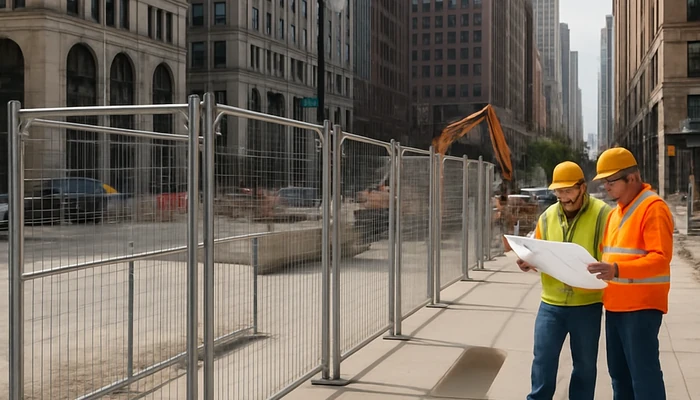
Temporary Fence Plans for Multi-Phase Chicago Construction Sites With Shared Sidewalks
Managing security and safety at a bustling Chicago construction site isn’t as simple as stringing up a quick barrier. For multi-phase projects with shared sidewalks, the right temporary fence plan can be the difference between a smooth operation and daily chances for confusion, fines, or accidents. In this detailed guide, you’ll learn how to develop and adapt temporary fence plans for Chicago construction sites—especially those where public pathways run alongside active work zones. You’ll discover material options, code requirements, practical safety measures, cost factors, and how proven experts like Chicago Commercial Fencing ensure compliance and peace of mind during every project phase. If you’re a homeowner, property manager, or first-time construction decision maker, this article will walk you through all the trade-offs so your site meets local standards, protects the public, and keeps your schedule on target.
Why Temporary Fencing Is Critical on Multi-Phase Chicago Sites
Temporary fencing serves much more than protecting equipment or marking property lines. On active Chicago worksites with shared sidewalks, smart fence planning is required for:
- Pedestrian safety: Preventing accidental entry into hazardous zones, especially in high-traffic neighborhoods or near schools and transit stops.
- Security and liability: Reducing risk of theft, vandalism, or unauthorized access, minimizing your insurance exposure and legal worries.
- Clear project phasing: Allowing smooth transitions as work progresses from demolition to new construction, excavation, or landscaping without constantly rebuilding barriers.
- Regulatory compliance: Meeting City of Chicago and state code requirements for construction site enclosures, sidewalk access, ADA passage, and signage.
From our experience as a fence company in Chicago, Illinois, these concerns are amplified on sites with shifting boundaries and shared sidewalks. A fence plan that’s clear from day one—and responsive to each phase—makes for fewer headaches and a safer community.
Understanding Multi-Phase Projects and Shared Sidewalks
Multi-phase construction projects are developments that roll out in a series of scheduled steps—demolition, grading, utility work, foundation setting, building erection, and finishing. With Chicago’s tight zoning and frequent sidewalk-sharing requirements, the perimeter you protect today may not be in the same place tomorrow, and public passage must often stay open.
- Shared sidewalks: Parts of a project boundary overlap or run next to city sidewalks, so public access can’t be fully blocked.
- Rolling enclosures: Fencing needs to move as each phase advances, and entrances may shift or expand for vehicles or equipment.
- Staging areas: Temporary fencing may need to section off only parts of a lot or sidewalk to keep space accessible to both workers and the public.
Every Chicago construction site is unique, and public right-of-way rules can add layers of complexity. This makes a modular, adaptable temporary fence plan a smart investment.
Key Components of an Effective Temporary Fence Plan
Whether you’re starting a major redevelopment or a small renovation near public spaces, every effective fence plan should address:
- Site assessment: Review property lines, city easements, sidewalk locations, utility access points, and neighboring properties.
- Regulatory review: Understand local requirements for fence height, material types, sidewalk widths, ADA compliance, and required signage. Reference the Whole Building Design Guide for high-level safety standards that often inform local codes.
- Barrier types and adaptability: Choose materials and designs that can be relocated, resized, or reinforced as phases change. Consider if barriers should be solid, semi-transparent, or modular panel systems.
- Entrances and crossings: Map accessible entry/exit points for workers, vehicles, and pedestrians—essential near shared sidewalks and during phase transitions.
- Signage and alerts: Plan for clear warning and directional signs, especially where public pathways and construction zones cross. For more information on effective signage, see our resource on fence signage.
As the project progresses, revisit and adapt your fence plan. Document changes and ensure any new layout or material still meets city codes and best practices.
Temporary Fence Options for Chicago Construction Sites
Your choice of temporary fencing impacts everything from project safety to overhead costs and project reputation. Let’s compare the most common options for Chicago construction environments, and how each performs when sidewalk sharing is involved.
Chain Link Fence Panels
Chain link remains the workhorse for temporary site protection in Chicago. Modular steel panels can be set up quickly and relocated as the project advances. Benefits include:
- Durability: Stands up to Chicago winds and weather with minimal upkeep.
- Visibility: Allows supervisors to monitor the site and discourages concealed activity.
- Flexible configuration: Easy to reconfigure for each project phase or sidewalk reroute.
- Cost: Usually more affordable than solid barricade systems.
Drawbacks: Offers limited privacy, so may not block dust or noise or prevent “rubbernecking”. For enhanced security or visual appeal, privacy screens or slats can be added. Learn more about these solutions in our discussion on chain link fencing.
Solid Panel Fencing
These barrier systems are constructed with wood, plywood, or composite panels mounted on metal supports. They provide:
- Maximum privacy and dust control: Ideal near sidewalk cafes, residential properties, or high-profile projects.
- Custom branding: Panels can include company logos or project information, doubling as site signage.
- Wind load considerations: Should be engineered to avoid tipping in storms; sometimes braced or anchored for Chicago weather.
Drawbacks: Typically more costly and less flexible to move as site boundaries shift. Installation may take longer; heavier panels can require special lifting equipment.
Barricades and Low Barriers
Plastic or steel barricades, sometimes called “jersey barriers” or “bike rack barriers,” serve specific needs:
- Pedestrian channeling: Creating safe walkways or protected detours along still-active sidewalks.
- Phase fencing: Marking smaller exclusion zones within a site during certain activities (e.g., concrete pouring, crane lifts).
- Mobility: Ultra-portable for quick deployments or emergency rerouting, but don’t provide significant security.
Drawbacks: Not recommended as a main project perimeter, as they can be easy to move, step over, or bypass.
Specialty Temporary Fencing
Innovative projects sometimes mix in mesh fencing, modular hoarding, or expandable crowd-control systems to address unique layout or code challenges. Consult with experienced fence professionals to match a system to your unique needs, as explained in our guide to mesh fences.
Comparing Temporary Fence Materials for Chicago Weather
| Material | Strength | Privacy | Weather Resistance | Typical Uses |
|---|---|---|---|---|
| Chain Link Panels | High | Low (screen optional) | Excellent | General site perimeter, staged zones |
| Wood/Composite Panels | Moderate–High | High | Variable | Privacy areas, branding, sidewalk protection |
| Plastic Barriers | Moderate | None | Moderate | Walkway guidance, events, traffic channeling |
| Steel Barricades | Moderate–High | None | Excellent | Sidewalk detours, short-term barricading |
| Mesh/Modular Fences | Variable | Variable | Good | Special project layouts, temporary access |
For best performance, choose materials proven in Chicago’s climate and ensure panels or posts are properly anchored, especially for long projects through winter storms or spring winds. For more on selecting the right panel system, explore our guide to fence panels.
Regulatory and Code Considerations in Chicago
Fence planning for any construction site in Chicago must be informed by up-to-date code requirements, typically enforced by the Department of Buildings and local municipal guidelines. Key factors include:
- Minimum height: Most active sites require temporary fencing at least 6 feet high; some projects or hazardous sites may require more.
- Sidewalk clearance: If fencing is set near a public way, maintain compliant sidewalk widths—often 4 feet clear minimum for ADA accessibility, sometimes more for high-traffic streets.
- Gate and access compliance: Entrances must permit emergency access and not create entrapment hazards for pedestrians or workers.
- Signage: Display warnings, company contacts, and permit numbers at each public-facing entrance.
- Material standards: Some districts prohibit certain fence types or require specific panel weights to avoid tip hazards in wind.
For large developments, review city requirements early and coordinate with experienced contractors who know local codes—mistakes can result in costly project delays or fines. Reference comprehensive safety standards at the Whole Building Design Guide.
Phasing Strategies: Adapting Your Fence Plan Over Time
On a multi-phase site, a one-time “set it and forget it” approach seldom works. The key is to plan adaptable barriers that change with your work. Here are some proven strategies:
- Colored zone mapping: Use color-coded barriers or signage to indicate different phases or changing hazard levels.
- Phased panel rotations: Stagger fence panel movement with phase handoffs, ensuring no gap forms as crews shift to new site zones.
- Integrated pedestrian reroutes: Install swing gates or temporary sidewalk covers where public path detours are needed, and mark new routes clearly.
- Regular reviews: Schedule weekly walkthroughs to check for gaps, shifting panels, or confusion caused by changing site boundaries.
It’s important to document every change—both for inspections and project records.
Balancing Security, Privacy, and Public Access
Securing a construction site is crucial, but multi-phase urban sites also interact with the public. Consider:
- Security add-ons: Add barbed wire, anti-climb mesh, or privacy screens if theft or trespass is a concern.
- Visibility for safety: In some locations, high-visibility mesh or open panels help police or neighbors monitor the site, improving safety.
- Adjusting for community needs: Where projects border schools or parks, opt for family-friendly signage, dust control, and clearly marked passageways.
Review strategies in our fence signage and perimeter security basics resources for further insights.
Cost Factors and Budgeting for Temporary Fencing
Temporary fencing costs depend on materials, site layout, installation complexity, and project duration. Key considerations include:
- Rental vs. purchase: Most temporary fences are rented, not bought. Long projects (12+ months) may benefit from a blended approach.
- Setup and relocation: Labor costs rise if fences must be moved frequently between phases or require complex anchoring.
- Custom features: Adding privacy screens, branded panels, or extra gates increases costs but can also improve safety and project image.
For a transparent cost estimate tailored to your Chicago-area project, you can contact Chicago Commercial Fencing for an overview of options and pricing.
Maintaining Temporary Fences During Multi-Phase Construction
Even “temporary” barriers require upkeep, especially through Chicago’s extreme seasons. Best practices include:
- Weekly inspections: Check for stable footings, loose or missing panels, and any gaps that might permit entry.
- Adjusting for weather: Prepare for high winds, snow accumulation, or freeze/thaw cycles that can shift unanchored barriers.
- Graffiti and damage response: Remove graffiti, repair panels, and address vandalism promptly to maintain safety and neighborhood relations.
- Updating signage: Replace faded or missing warning/detour signs right away.
Routine maintenance protects your investment and helps avoid code violations. For in-depth strategies, refer to our maintenance guide.
Coordinating With Neighbors and the Public
Construction rarely happens in isolation in Chicago’s busy neighborhoods. Responsibly managing fencing means communicating with:
- Adjacent property owners or businesses: Share plans for fence locations, access points, and changes to boundaries in advance.
- Local authorities: Notify city departments or alderman offices about upcoming sidewalk closures or revised access routes.
- The public: Use clear signage, project websites, or neighborhood meetings to inform about detours, phase changes, or extended sidewalk closures.
Clear communication minimizes complaints and helps projects move forward smoothly.
Case Examples: Temporary Fencing Solutions in Chicago
West Loop Mixed-Use Project
A developer needed to keep one half of the sidewalk open while building out each side of the property. Modular chain link panels with mesh privacy screens provided the flexibility to quickly swap sides as needed, and swing gates allowed access for heavy equipment delivery without fully blocking the sidewalk.
School Renovation Near a Busy Intersection
Here, solid composite panels protected the school’s play area from debris while clear, directional signage guided students safely on a temporary sidewalk route. Additional pedestrian barricades enhanced safety during arrival and dismissal hours.
Downtown Multi-Block Tower Construction
This high-rise project required phased fencing to keep pedestrian traffic flowing. Steel barriers with embedded signage marked shifting crosswalks, while color-coded paneling helped distinguish “no entry” and delivery zones at each phase.
In each case, collaborating with a locally experienced fence contractor proved essential for keeping plans code-compliant and adaptable.
When to Consult a Professional for Temporary Fence Planning
While smaller projects may permit DIY planning, the complexity of multi-phase work—especially sites with shared sidewalks—calls for expertise in:
- Reading and interpreting Chicago building codes
- Engineering fence stability for weather and use-case needs
- Adapting plans as phases or city requirements change
- Ensuring all public pathways remain safe and accessible
Partnering with professionals like Chicago Commercial Fencing reduces your administrative burden and increases peace of mind. For questions to ask when vetting fence companies, review this comprehensive list.
Frequently Asked Questions About Temporary Fence Planning
What type of temporary fencing is best for sites with public sidewalks?
Modular chain link panels are the most adaptable and cost-effective for sites with shared sidewalks, but solid panels may be preferred for privacy or branding. Each choice must be weighted against your specific phase plan and city requirements.
How high does my temporary fence need to be in Chicago?
Most commercial construction sites require a minimum fence height of 6 feet, but always check your project’s site permit details and local codes as requirements may vary by location or phase.
My project phases will shift the site boundary—how do I keep fencing compliant?
Use modular fencing systems that can be moved as phases change. Update site maps and confirm each layout meets sidewalk clearance and safety code before moving barriers.
Are there specific rules for sidewalk access in construction zones?
Yes—Chicago codes often require a minimum clear width for pedestrian passage, ADA compliance, and properly marked detours. A qualified contractor will ensure all local standards are met.
Do I need to post permits or contact information on the fence?
Yes, posted permits, company contact information, and safety signage are nearly always required at public-facing entrances. This helps with both code compliance and public relations.
What’s the best way to keep temporary fences stable in Chicago weather?
Secure anchoring, weighted bases, or bracing are key—especially for solid panel fencing. Consult with your fence installer about winter winds and snow load best practices.
How often should temporary fencing be inspected?
Weekly checks are recommended, plus after major weather events or project phase changes. Immediate repairs should follow any incident of damage, theft, or vandalism.
Can temporary fences include project branding or safety info?
Absolutely. Solid panels are often printed or screened with branding, project details, or clear directional signage for both workers and the public—enhancing both appearance and information.
Are there green or reusable options for temporary fencing?
Yes, many modular fencing panels are rented and reused between projects. Selecting durable, recyclable materials lowers waste and supports sustainability goals.
Where can I learn more about construction safety standards?
For broader industry guidelines, the Whole Building Design Guide sets out many national best practices that influence local Chicago codes.
Conclusion: Building Confidence With the Right Temporary Fence Plan
Developing an effective temporary fence plan for multi-phase Chicago construction sites—especially those with shared sidewalks—ensures your project stays compliant, safe, and on schedule. By selecting the right materials, adapting to each phase, and staying informed on code requirements, you safeguard workers, the public, and your reputation. Whenever questions arise, reaching out to trusted professionals makes all the difference. To discuss your fencing needs, compare fence materials, or request guidance from local experts, contact Chicago Commercial Fencing today.
About Chicago Commercial Fencing
Chicago Commercial Fencing is a professional fence company with over 15 years installing fences in the Chicago, Illinois area. The experienced team serves homeowners and businesses throughout Chicago and surrounding communities, specializing in wood, vinyl, steel, aluminum, and custom fencing for residential and commercial projects. Fully licensed and insured, the team is committed to honest advice, code-compliant installations, and helping every client protect their property with the right solution.
Fencing, custom fence chicago, security fence chicago, fence near Humboldt Park, fence services St Bens, fence Lake Villa IL, Miami fence, fence in Sauganash Woods, fence options Dundee IL, fence in the city of Skokie
