 Skip to content
Security Fencing for Cannabis Facilities in Illinois: What Operators Need Before Inspection
As Illinois continues to grow its regulated cannabis market, operators face unique challenges when securing their facilities. One critical component is perimeter fencing—essential not only for security and compliance, but also for protecting staff, assets, and community confidence. Yet, questions about fence types, code requirements, and realistic expectations abound, especially for those approaching their first inspection.
This guide to Security Fencing for Cannabis Facilities in Illinois: What Operators Need Before Inspection walks you through the must-know details. We cover code-compliant fence types, material comparisons, cost considerations, security technology integration, maintenance, and how to avoid costly mistakes before your facility is reviewed by inspectors. Our goal is to provide actionable, experience-based insight, highlighting what property managers and owners in the Chicago, Illinois area need for safer, compliant, and effective perimeter security. Chicago Commercial Fencing, with over 15 years of local expertise, shares guidance based on real project success and the latest security standards.
Why Security Fencing Is Critical for Illinois Cannabis Facilities
Licensed cannabis businesses in Illinois must comply with strict perimeter security measures. State and local regulations mandate physical barriers to prevent unauthorized entry, minimize theft risk, and demonstrate responsible operations. For many, questions arise:
- Which fences meet state and local codes?
- How do different materials stand up to the Midwest climate?
- What design features deter break-ins or vandalism?
- How can you balance cost, durability, and regulatory compliance?
Proper security fencing provides:
- Visible deterrence against intrusion and tampering.
- Physical delay, buying time for law enforcement or monitoring systems to respond.
- Clear definition of property boundaries, aiding legal clarity and risk management.
- Additional support for security technology, such as cameras or intrusion alarms.
Understanding what the law requires—and how to go beyond minimum standards—can mean the difference between a smooth inspection and expensive delays.
Illinois Cannabis Security Fence Regulations: What Inspections Look For
In Illinois, both the state and many city/counties have perimeter fencing rules for cannabis facilities. While you should always check the latest local ordinances, state rules generally require:
- Solid, climb-resistant fencing at least 8 feet high (some locations may require 10 feet or more).
- Limited access points, secured with controlled entry gates.
- Durable materials (such as steel or aluminum) able to withstand forced entry attempts.
- Fences free of gaps, holes, or deterioration that might allow unauthorized access.
- Integration of monitoring—such as visible cameras and motion detection—on or above the fence line.
Inspectors will check for compliance with both the detailed state cannabis facility security code and the broader local building/zoning code. This can include:
- Fence height and structural integrity
- Material suitability and condition
- Gate security, locks, and automation (if used)
- Alarm/camera capability and clear sightlines
- Proof of ongoing maintenance (rust, damage, or tampering addressed promptly)
For reference on industry-wide construction practices, consult resources such as the AMPP QP-1 Accreditation for protective coatings and corrosion resistance. These standards can mirror local inspector expectations even if not strictly required.
Common Fence Types Used for Cannabis Facility Security
Illinois cannabis operators typically choose from several robust fence options, each with advantages for particular properties and situations. Here’s an overview of common types:
- Steel Fencing Panels: Strong, long-lasting, and resistant to climbing. Modern styles are available with anti-cut designs.
- Chain Link Fencing (with added security features): Economical and effective when paired with privacy slats, barbed or razor wire, and tamper-resistant hardware. See additional options at chain link fencing.
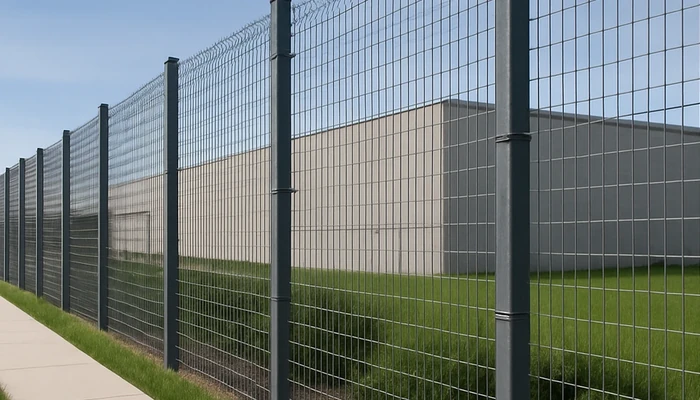
- Welded Mesh Security Fencing: Small grid openings (difficult to climb or cut), sturdy steel construction, and can be powder-coated for longevity.
- Aluminum Fencing: Lightweight, corrosion-resistant, and available with spear-topped pickets to deter intruders (more about aluminum fencing).
- Composite or Solid Panel Fencing: Adds privacy in addition to a secure perimeter, but generally used as a supplement to metal fencing, not a stand-alone solution for compliance.
Some facilities supplement primary security fences with anti-ram bollards or landscaping barriers to increase protection against vehicle entry.
Comparison Table: Security Fence Material Options
| Material | Security | Durability | Maintenance | Estimated Lifespan | Typical Cost* |
|---|---|---|---|---|---|
| Steel Panels | High (difficult to breach or climb) | Very High | Moderate (inspect for rust) | 25+ years | $$$ |
| Chain Link | Moderate-High (plus add-ons) | High | Low to moderate | 15–20 years | $$ |
| Welded Mesh | Very High | Very High | Low | 20+ years | $$$ |
| Aluminum | High | High (resists corrosion) | Very low | 25+ years | $$$ |
| Composite/Solid Panel | Moderate (privacy-focused) | High | Low | 20 years | $$$$ |
*Costs are relative and vary by project size, site prep, and selected features. Always request a custom quote.
Design Features That Enhance Security and Inspection Readiness
Going beyond minimum requirements improves real-world protection and satisfies inspector expectations. Consider these best practices:
- Height and Depth: Exceeding bare minimums (e.g., 10 feet instead of 8 feet where allowed) makes a property less attractive to intruders. Ground-set panels/sleeves prevent easy digging or tunneling.
- Anti-Climb Additions: Outward-facing mesh, spear-topped pickets, or additional wire discourage climbing. Welded mesh styles firmly resist cutting tools.
- Integrated Security Tech: Install camera mounts, motion sensors, or alarm trip wires directly onto fencing. Ensure maintenance access without creating vulnerabilities.
- Gate Controls: Electric, keypad, or remote-controlled gates restrict after-hours access. Always pair with fail-safe manual backups for emergencies.
- Lighting: Well-placed lighting (on poles or attached to fence posts) improves visibility for monitoring and deters illicit activity.
Some jurisdictions will review your full facility security plan—including fencing—as a condition of licensure or renewal, so plan for inspection at every step of design and installation.
Choosing Security Fencing Materials for Chicago’s Climate
Chicago’s weather brings harsh winters, freeze/thaw cycles, and humidity that can shorten the life of unprotected fences. When selecting a security fence for your cannabis facility, keep durability and maintenance in mind:
- Galvanized Steel: Withstands wet, salty, and icy environments—with proper coatings to prevent corrosion. For details on corrosion, visit the American Galvanizers Association.
- Powder-Coated Steel: Added layer against rust; available in modern finishes that can match business branding. See more on protecting steel fencing in this guide.
- Aluminum: Naturally resists rust and holds finish through harsh seasons.
- Vinyl: Rarely approved for primary security barriers—better for supplemental privacy than core perimeter security.
Proper installation, drainage, and soil prep are equally vital: even the strongest fence will fail if posts are not properly anchored or water pools against the structure. If you need a steel security fence for your facility, always confirm materials and coatings are appropriate for long-term Chicago use.
For broader insight, see our article on steel fence durability in extreme climates.
Security Fence Installation and Inspection Checklist
- Confirm Regulations: Download and review current state, city, and (if applicable) county security and fencing rules for cannabis businesses. Check for any overlay zoning restrictions.
- Obtain Permits: Secure all necessary building permits before work begins. Most towns require detailed plans and vendor information for cannabis-related fencing.
- Professional Layout: Mark property boundaries carefully; fencing on neighboring land can delay inspection and trigger costly corrections.
- Material Quality: Insist on certified materials and professional installation—inspectors may request documentation.
- Gate and Access Control Technology: Test all components for function and fail-over (manual opening in power loss).
- Integration with Security Plan: Provide documentation showing how fencing works with cameras, lighting, and alarm systems.
- Maintenance Records: Keep logbooks or digital records of regular fence inspections, repairs, and upgrades.
Don’t wait until inspection day—review your fence perimeter with a detailed walk-through to catch gaps, damage, or weaknesses inspectors will spot.
Common Mistakes and How to Avoid Them
- Underestimating Fence Height: Many operators try to save costs by installing to the minimum code—only to find local rules demand more. Always consult a local professional for up-to-date codes.
- Ignoring Post-Installation Maintenance: Neglecting small repairs (rust, loose hardware) can lead to failing an inspection. See our regular steel fence inspection guide.
- Using Inappropriate Materials: Wood, vinyl, and composite panels may not meet commercial security codes for cannabis facilities.
- Overlooking Gate Security: Gates are often targeted for unauthorized entry. Install robust locks and monitor entry/exit.
- Misaligned Access Technology: Cameras, motion detectors, and lighting must cover all exterior sections and the entire length of fence.
- Poor Drainage: Water pooling accelerates corrosion and can destabilize posts.
Leverage professional advice on code compliance and material performance from an experienced fence specialist. For Chicago-area projects, the team at Chicago Commercial Fencing can help ensure all requirements are met and documented.
Integrating Fences With Security Technology
Cannabis facilities are expected to demonstrate not just physical barriers, but integration with electronic security. Inspectors will expect:
- Camera mounts positioned to eliminate blind spots on fence lines and gates.
- Motion-activated lighting that triggers recording or alerts.
- Perimeter alarms (sensors or tripwires) attached to gates or critical fence sections.
- All electronics housed in tamper-resistant enclosures with reliable power backup.
- Signage indicating monitoring and restricted access zones.
These systems should be planned alongside fence installation—not added as an afterthought. For a deeper look into durable and design-forward steel fences, check our steel fence design options guide.
Costs: Budgeting for Security Fence Upgrades and Inspection Compliance
Operators in Illinois need to budget for both initial fence installation and long-term care. Factors affecting cost include:
- Material choice (steel and welded mesh typically cost more up front than chain link, but last longer and require less maintenance).
- Site preparation (grading, soil stabilization, old fence removal).
- Security integrations (cameras, gates, alarms, lighting).
- Ongoing inspections and preventative maintenance.
On average, security-grade steel fencing runs higher in upfront cost but provides a superior investment over time. For a more detailed breakdown, review our insights into the versatility of steel fencing panels and compare the pros and cons tailored to your site.
Ongoing Maintenance and Passing Future Inspections
Routine care is key to protection and regulatory compliance. Experts recommend:
- Quarterly visual checks for rust, loose bolts, or tampering evidence.
- Prompt repair of damaged or breached sections: even minor defects can cause inspection failures.
- Seasonal cleaning—especially after Chicago winters—for salt and debris, which can accelerate corrosion (learn more about corrosion prevention).
- Documentation: keep logs of all professional repairs or upgrades, ready for inspector review.
If you’re maintaining a steel system, check tips for Chicago-specific care in our extreme climates durability guide.
FAQs: Security Fencing for Cannabis Facility Inspections in Illinois
What is the minimum fence height required for legal cannabis facilities in Illinois?
Most facilities must install a perimeter fence at least 8 feet high, but local zoning or city mandates often require 10 feet or higher, especially in urban environments. Always check your city and county rules.
Are chain link fences allowed for cannabis facility security?
Yes, when appropriately upgraded with privacy slats, barbed or razor wire, and heavy-duty posts. Inspectors may require documentation that the system meets all state and local security requirements.
How can I ensure my security fence won’t fail inspection?
Regularly inspect for damage, keep maintenance records, and use certified, code-compliant materials. Plan for an inspection walk-through before the official review to catch any issues early.
Do I need special permitting for security fences at a cannabis facility?
Yes, most cities and counties require building permits and a submitted security plan before fence construction begins. Permit approval can take 2–4 weeks or more.
What features deter intruders most effectively?
Height, anti-climb additions (spear tops, angled mesh), solid foundations, integrated lighting, and actively monitored cameras all significantly increase deterrence and delay attempts at entry.
Which fence material requires the least maintenance in Chicago’s weather?
Powder-coated steel and aluminum both offer strong resistance to rust and need minimal upkeep. Keep surfaces clean, especially after winter, and repair any chips or cuts in the finish promptly.
Can technology replace the need for a physical fence?
No—the state requires a physical barrier as the first line of defense. Technology must work together with fencing to achieve compliance and real security.
How often should fences be inspected after installation?
At least quarterly, plus after severe weather or incidents. Document all inspections and repairs for regulator review.
What happens if I fail a fencing inspection?
You will likely be required to remedy deficiencies and undergo re-inspection before your cannabis license or operational permit is granted or renewed.
Who can help with code-compliant security fencing in Chicago, Illinois?
Experienced specialists such as Chicago Commercial Fencing provide compliance-focused installations, material guidance, and maintenance. Always select a properly insured and licensed contractor familiar with local requirements.
Conclusion: Steps to Take Before Your Cannabis Facility Fence Inspection
Securing your cannabis facility with the right perimeter fence is critical for compliance—and peace of mind. By choosing proper materials, exceeding basic codes, integrating essential technology, and documenting regular maintenance, you’ll boost your chances of passing inspection on the first try and ensuring long-term protection. For questions about materials or quotes on a security-grade steel, welded mesh, or chain link system for your Illinois business, contact Chicago Commercial Fencing or request a commercial fence consultation.
Educate yourself, invest in quality, and work with local pros to keep your operations safe and fully compliant with the law.
About Chicago Commercial Fencing
Chicago Commercial Fencing is a professional fence company with over 15 years of experience helping homeowners, property managers, and businesses in Chicago, Illinois and nearby communities improve security, privacy, and curb appeal. Our team specializes in residential and commercial fencing, covering steel, aluminum, wood, vinyl, and chain link solutions made to withstand Midwest weather. Licensed, insured, and code-compliant, Chicago Commercial Fencing is dedicated to honest advice and clear, durable installations every time.
fence builder chicago, Steel Fence Fence Chicago IL, steel fencing Fence Chicago IL, steel fence in the city of Burr Ridge, Bedford Park steel fence, steel fence options Westchester IL, steel fencing Morton Grove, steel perimeter fence Wildwood, steel security fence Humboldt Park, steel fence solutions Forest Park IL
