
Automated Gates: Swing vs Slide vs Cantilever — Choosing Based on Space and Traffic
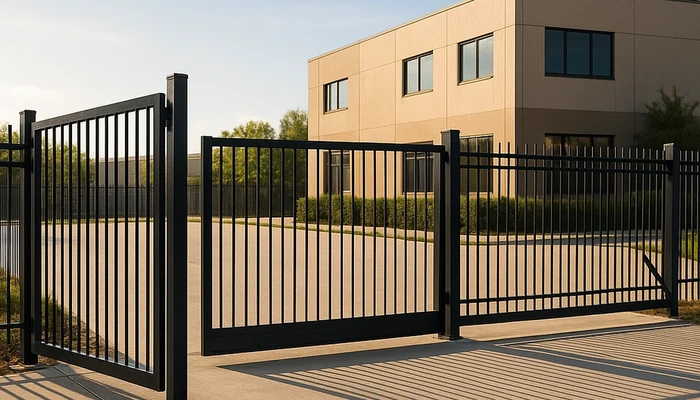
Automated gates provide an essential layer of security, convenience, and curb appeal for both residential and commercial properties. With a growing range of options, many property owners find themselves weighing swing, slide, and cantilever gate designs—each with its unique space requirements and suitability for various traffic patterns. Making the right choice isn’t just about aesthetics; it involves understanding local codes, Chicago’s weather challenges, and practical limitations. In this guide, you’ll learn how to compare automated swing, slide, and cantilever gate systems by space, property layout, security, and long-term maintenance needs. Whether you’re a homeowner evaluating your first automated entry or a property manager prioritizing efficiency and safety, this article from Chicago Commercial Fencing provides the clarity and confidence you need to make a well-informed decision.
Understanding Automated Gates: Basic Concepts
Automated gates use powered mechanisms to control property access, replacing manual operation with convenience and enhanced security. Typical gate motors are activated by remote controls, keypads, sensors, or integrated access systems. The primary driver behind automation is improved safety and efficiency—reducing unwanted foot or vehicle traffic, deterring trespassers, and streamlining entry for those with permission.
Today’s technology allows gates to be customized for residential driveways, commercial loading zones, apartment complexes, and municipal facilities. Automated gates also contribute to property value and visual appeal when well-installed and maintained.
Key Types of Automated Gates: Swing, Slide, and Cantilever
While there are niche systems, most automated entries in Chicago fall into one of three main configurations. Each has a different motion type, space demand, and structural consideration.
1. Swing Gates
- Motion: Rotates on hinges like a door, swinging open into or away from the property.
- Space required: Needs clear space in the arc of the gate equal to the gate’s length; unsuitable if driveways slope up behind the gate.
- Common in: Suburban homes, properties with space in front or behind gate, or low-traffic access roads.
2. Slide Gates
- Motion: Moves horizontally along a track, running parallel to the fence line.
- Space required: Needs clear lateral space—at least equal to the gate’s length—beside the driveway or entryway for the gate to slide open.
- Common in: Urban lots with tight driveways, commercial premises, or locations where space is constrained front-to-back.
3. Cantilever Gates
- Motion: Also slides, but instead of running on a track across the driveway, it cantilevers (suspends) from posts, supported by rollers.
- Space required: Requires lateral clearance, with the gate panel typically 50% longer than the actual opening (to allow for the counterbalance structure).
- Common in: Industrial properties, areas with snow or debris, sites where a ground track could be problematic.
Space Requirements: How Property Layout Dictates Gate Choice
Space is the first and often the most critical factors in choosing an automated gate.
| Gate Type | Front/Back Clearance | Lateral Clearance | Ideal for |
|---|---|---|---|
| Swing | Yes | No | Wide/Deep driveways |
| Slide | No | Yes (equal to gate length) | Narrow/urban driveways |
| Cantilever | No | Yes (1.5x opening width) | Commercial/industrial access |
For small urban lots in Chicago, slide or cantilever gates are preferred, since swing gates would block vehicles or the sidewalk. Conversely, larger properties with deep setbacks are well-suited for swing gates, as they need less side space. Always consider snow, landscaping, and existing utilities when measuring your usable area for gate operation.
Traffic Flow and Usage Patterns: Which Gate Matches Your Needs?
Traffic frequency and flow direction influence which gate will offer seamless property access. Here’s how:
- Swing Gates: Best for low to moderate traffic with vehicles stopped safely for the gate to open/close. Not ideal for frequent entry/exit or tight scheduling, as the swinging arc can be blocked by snow or parked cars.
- Slide Gates: Efficient for high-frequency or overlapping vehicle movement, such as commercial deliveries, because the path in/out remains unblocked when opening/closing.
- Cantilever Gates: Excellent for rugged use, industrial shifts, or locations where a track would clog. They’re reliable in all weather and heavy use scenarios, providing clear drive paths for large vehicles or multiple daily cycles.
Ask yourself: How many daily cycles will the gate perform? Will delivery trucks, service vehicles, or emergency access need special accommodation?
Security, Durability, and Local Codes
Security features and structural durability are critical, especially for commercial operations and Chicago winters. Automated systems may include:
- Heavy-duty steel/aluminum for frames
- Anti-climb designs or privacy infill panels
- Reliable locking mechanisms
- Safety sensors and emergency manual releases
- Integration with surveillance or access control systems
Local building codes in Chicago, Illinois may set standards for gate height, operator safety, and setback from public sidewalks or alleys. Before installation, verify your project complies with city requirements and HOA guidelines. For further details on compliance and safety, professional organizations like the American Society of Civil Engineers (ASCE) offer resources about modern gate safety practices and innovations.
Installation Considerations: Site Conditions and Weather
Chicago’s freeze-thaw cycles, snowfall, and wind loads put special demands on automated gate systems. While swing gates may get blocked by snow accumulation, slide and especially cantilever systems often operate more reliably in harsh weather. Cantilever systems have no ground track to clog or warp.
Soil conditions and proper gate mounting posts are equally important. Poor installation leads to gate misalignment or motor strain. Site-specific planning and professional installation ensure safe, code-compliant functionality for years even under challenging Midwest conditions. For more on adapting fencing choices to climate and durability, see our Vinyl fencing in different climates guide.
Comparing Durability, Maintenance, and Cost Lifecycles
| Feature | Swing Gate | Slide Gate | Cantilever Gate |
|---|---|---|---|
| Moving Parts | Hinges, arms | Wheels, track, rollers | Rollers, posts |
| Snow/Ice Resistance | Low | Medium | High |
| Long-Term Maintenance | Hinge lubrication, alignment | Track cleaning, roller replacement | Occasional roller adjustments |
| Typical Initial Cost* | Lowest | Moderate | Highest |
| Average Lifespan* | 15-20 years | 15-25 years | 25+ years |
*Estimated values. Real costs and lifespans vary by materials, usage, and maintenance. Professional installation and regular care maximize your investment.
For an in-depth look at chain link, steel, and other materials, including maintenance tips, Chicago Commercial Fencing maintains detailed guides for each system. Visit our perimeter security overview for further reading.
Safety Features and Smart Gate Technology
Modern automated gates can be equipped with safety edges, vehicle/obstacle sensors, battery backup, smartphone app integration, and video entry systems. These not only prevent injury but also streamline access and remote management—important for property managers and busy families alike.
Innovations in automation and remote access control are covered in the Building the Future lecture series by the University of Michigan, outlining how engineering advances are transforming security infrastructure.
Frequently Asked Questions: Automated Gates in Chicago
What is the main difference between slide and cantilever gates?
Both slide and cantilever gates move horizontally, but slide gates roll along a ground track, while cantilever gates are suspended from posts and don’t touch the ground as they open, making them ideal where debris or snow may block a ground track.
Which gate type requires the least space?
Slide and cantilever gates require lateral side space, not front or back clearance, making them better for narrow, urban Chicago properties. Swing gates need a full arc, making them less suitable for short driveways.
Are automated gates safe for families with children or pets?
Yes, when installed with proper safety sensors and emergency release options. Automated gates should meet UL 325 standards for safety, and regular testing is recommended. Always discuss safety options with your contractor.
How can I keep my gate working in Chicago winters?
Cantilever gates are least affected by snow and ice. Regular track clearing, motor checks, and adherence to local climate best practices will keep most automated gates functional year-round. Consider heated elements or battery backup for extra resilience.
What are typical maintenance tasks for automated gates?
They include lubricating moving parts, checking for alignment, testing sensors and remote systems, and inspecting for obstructions. Professional maintenance once or twice per year is recommended for reliability and safety.
Do I need a permit to install an automated gate in Chicago?
Permitting depends on location, size, and local regulations. Always check with the Chicago Department of Buildings and homeowners associations before scheduling installation.
Can I retrofit automation onto my existing manual gate?
Often yes, but the structure must be strong and square enough to support motors and new hardware. Not all existing gates are suitable—have an expert evaluate your site before committing.
How do I choose the right material for my automated gate?
Materials such as steel, aluminum, or composite offer varying durability, weight, and security features. Review your security goals, ongoing maintenance ability, and the Chicago climate. For options, see our guides on steel fencing and aluminum fencing.
Are automated gates expensive?
Initial investment is higher than manual gates, especially for industrial-rated cantilever systems. However, automation saves time and increases property value. Get several quotes and compare materials, lifespan, and maintenance when budgeting.
Conclusion: Choosing the Best Automated Gate for Your Property
Selecting between swing, slide, and cantilever automated gates comes down to balancing space constraints, traffic demands, climate resilience, and long-term value. For Chicago properties, each system offers unique advantages, and there is no universal solution. Always account for your daily usage, expected security level, and code compliance. If you have questions about customizing access control or integrating security features, contact Chicago Commercial Fencing for practical guidance from local experts.
For inspiration and deeper understanding, read our resources on perimeter security and choosing fence panels. When you’re ready to explore the best options for your property, request an estimate or talk to our knowledgeable team today.
About Chicago Commercial Fencing
Chicago Commercial Fencing is a professional fence company with over 15 years of experience helping homeowners and businesses in Chicago, Illinois and nearby communities improve security, privacy, and curb appeal. Specializing in wood, vinyl, aluminum, steel, and customized fencing solutions, our team is dedicated to clear education, code-compliant installations, and long-term peace of mind. We are licensed, insured, and committed to the highest standards for residential and commercial projects.
fence builders chicago, fencing chicago, custom fence chicago, custom fence Avondale, fence near Sauganash Woods IL, fence solutions Lincoln Park, Bedford Park fence, fence maintenance Palatine, privacy fence Elmhurst, fence replacement Addison