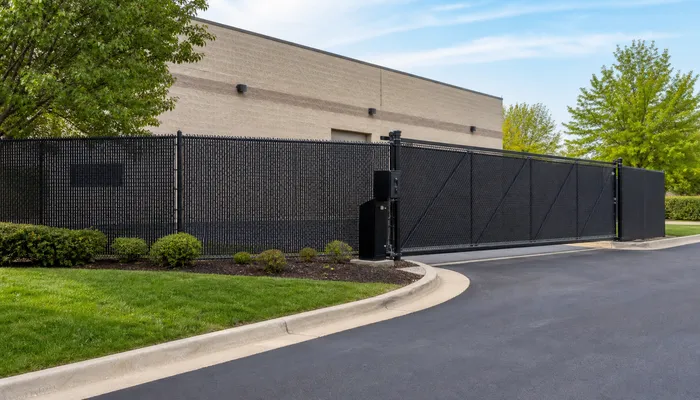
Fence zoning rules for North Shore businesses are rarely a one-size-fits-all matter. In Illinois, there is no single state-level code that dictates commercial fence height, setback, or material for every property. Instead, the rules that govern your project come from the municipality where the site is located. That means a business in Evanston, Gurnee, Skokie, or Waukegan may face different requirements even when the fence serves a similar purpose. Before you order materials or schedule installation, confirming the local ordinance is the most important step you can take.
Illinois is home to an estimated 12,692,653 residents according to the U.S. Census ACS 5-year 2023. Census Reporter provides a detailed demographic profile for the state, but for commercial fencing projects, the relevant data is local. The North Shore corridor includes communities in both Cook County and Lake County, and each county contains multiple municipalities with their own zoning ordinances. Illinois borders Lake Michigan to the northeast, as noted by Wikipedia, which influences weather and soil conditions but does not override local fence codes.
Understanding the administrative geography is the first step. Evanston and Skokie are in Cook County, while Gurnee and Waukegan are in Lake County. For example, Skokie is part of Niles Township, Cook County, as shown by OpenStreetMap. This matters because the building department you contact, the permit forms you complete, and the inspection process will all be determined by the city or village—not by a uniform state rule.
What Municipal Fence Zoning Rules Typically Cover
While specifics vary, most local ordinances address several common points. Reviewing these areas before you design your perimeter will help you avoid costly revisions.
- Maximum height: Commercial fences often have different height limits depending on whether they are in a front, side, or rear yard, and whether they enclose a utility area or a parking lot. Some districts allow taller fences for security purposes, while others cap height to maintain open views.
- Setbacks: The distance from the property line to the fence can be regulated, especially at corners where sight lines for traffic must be preserved. A setback that is too small can block visibility and create a safety hazard.
- Materials and design: Some districts restrict certain materials for aesthetic reasons, particularly in commercial corridors or near residential zones. For instance, a wood fence might be preferred for screening, while chain link might be limited to industrial areas.
- Visibility and transparency: Requirements for open fences (like chain link) versus solid fences (like wood or vinyl) may apply to maintain clear sight lines or allow light. Some ordinances require a certain percentage of open area.
- Permits and inspections: Most municipalities require a permit for commercial fences above a certain height or length, followed by an inspection after installation. The permit application often requires a site plan and may involve a fee.
For a broader overview of the permit process, see our article on Commercial Fence Permits in Chicago: What Businesses Need to Know. While it focuses on Chicago, the principles of documentation and local review apply across the region.
Verifying Fence Zoning Rules in Each North Shore Community
Because each municipality has its own code, the most reliable approach is to check directly with the local building or zoning department. The table below highlights the county and a key verification focus for each city in the group. You can also visit the dedicated commercial fencing page for each community to learn more about local service and project planning.
| City | County | Local Verification Focus | Commercial Fencing Page |
|---|---|---|---|
| Evanston | Cook County | Check height limits for commercial corridors and historic districts. | Commercial Fence Company in Evanston, IL |
| Gurnee | Lake County | Verify setbacks for parking lots and storage yards. | Chain Link Fence Installation in Gurnee, IL |
| Skokie | Cook County | Confirm material restrictions in industrial and commercial zones. | Commercial Fence Repair in Skokie, IL |
| Waukegan | Lake County | Review permit requirements for perimeter security and gates. | Commercial Fencing Contractors in Waukegan, IL |
Common Fence Zoning Issues for North Shore Businesses
Even experienced property managers can overlook certain zoning details. Here are a few issues that frequently come up during commercial fence projects in the North Shore area.
- Corner visibility: Fences near intersections must often be set back or kept below a certain height to preserve sight lines for drivers and pedestrians. This is a common point of review in municipalities with busy commercial corridors.
- Historic or design review: Some communities have design review boards that must approve the appearance of fences in certain districts. This can add time to the project, so factor it into your schedule.
- Screening requirements: Dumpsters, mechanical equipment, and outdoor storage may need to be screened from public view. The type of screen—whether a solid fence, a chain link fence with slats, or landscaping—may be specified in the zoning code.
- Temporary fencing: Construction sites often require temporary fencing that meets safety and security standards. These may have separate permit requirements and time limits.
Key Steps in the Municipal Permit Process
While the exact process varies by city, most commercial fence permits follow a similar path. Knowing what to expect can help you plan your timeline.
- Pre-application research: Review the zoning ordinance and identify the requirements for your district.
- Site plan preparation: Draw the proposed fence line, height, materials, and gate locations. Some cities require a survey.
- Application submission: Submit the permit application with the site plan and any required fees.
- Plan review: The building department reviews the application for compliance with zoning and building codes. This may take several days to weeks.
- Permit issuance: Once approved, you receive the permit and can schedule installation.
- Inspection: After installation, an inspector verifies that the fence matches the approved plans and meets code requirements.
Working with an experienced commercial fence contractor can streamline each step, especially if they are familiar with the local department’s preferences and typical review times.
Why a Code-Aware Contractor Matters
Navigating multiple municipal codes can be time-consuming. A commercial fence contractor who works regularly in the North Shore area will be familiar with the differences between Cook County and Lake County jurisdictions. They can help you prepare a permit application, interpret setback rules, and select materials that satisfy both security needs and local appearance standards. This is where the Industrial Fence Compliance Standard™ approach helps: it focuses on verifying local requirements before fabrication, reducing the risk of rework or denied inspections.
When you work with a contractor who understands local zoning, you also get practical guidance on fence height, gate placement, and access control that aligns with both your operational needs and the municipal code. That coordination can save weeks of back-and-forth with the building department.
Frequently Asked Questions
Do all North Shore cities follow the same fence zoning rules?
No. Fence zoning rules for North Shore businesses are set by each municipality. Even cities in the same county can have different height, setback, and permit requirements.
What is the first step to check fence rules for my business?
Contact your city’s building or zoning department. Ask for the fence section of the municipal code and confirm whether your property is in a special overlay district, such as a historic district or planned development.
Can I install a commercial fence without a permit?
Most commercial fences require a permit, especially if they exceed a certain height or are located in a commercial district. Always verify with the local authority before installation to avoid fines or removal orders.
Do I need different rules for temporary construction fencing?
Temporary fencing may have separate regulations and permit requirements. Check with the city and your general contractor to ensure compliance, especially for projects that run longer than a few weeks.
How can I find a commercial fence company that knows local codes?
Look for a contractor with experience in your specific city. You can start by reviewing the dedicated pages for Evanston, Gurnee, Skokie, and Waukegan. These pages provide local context and can connect you with a team familiar with North Shore regulations.
What if my property is in an unincorporated area?
Unincorporated areas may fall under county zoning rather than city rules. In that case, contact the Cook County or Lake County planning department to determine which fence regulations apply.
Plan Your Project with Local Rules in Mind
Understanding fence zoning rules for North Shore businesses is the foundation of a smooth project. By verifying local requirements early, you avoid delays and unexpected costs. If you are ready to discuss your commercial fencing needs, review the city pages linked above or contact our team for a site assessment. We work with businesses, facility managers, and property owners across the North Shore to plan and install commercial-grade fencing that meets local codes and protects your property.