 Skip to content
After a Vehicle Hits Your Commercial Fence: Repair, Documentation, and Insurance Steps
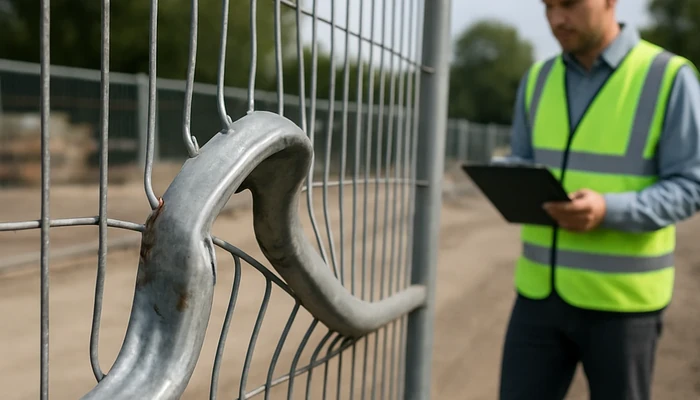
When a vehicle strikes your commercial fence, you may feel overwhelmed by questions: Is the property secure? Who pays for repairs? What steps should you take—right now and in the coming days? Whether you manage a business, oversee a multi-unit property, or own real estate in Chicago, Illinois, these incidents are unfortunately common—and often stressful. Addressing the aftermath properly is vital for restoring security, minimizing liability, and protecting your investment. This comprehensive guide explains what to do after a vehicle hits your commercial fence, including immediate actions, documentation best practices, working with insurance, choosing repairs, and ensuring long-term perimeter protection. By the end, you’ll not only understand the process but also realistic options for getting your fence (and property) back to top shape. At Chicago Commercial Fencing, we’ve helped countless property owners and managers through the aftermath of crash damage, and our experience shapes every section of this guide.
1. Immediate Actions: Securing the Scene and Ensuring Safety
A vehicle impact isn’t just cosmetic—breached fencing can expose your property to theft, liability, and even additional hazards. Here’s what to do right away:
- Check for injuries and call 911 if necessary. Always prioritize health and safety for people involved in the accident, bystanders, and yourself.
- Secure the area. Keep unauthorized people away from the damaged zone, especially if live wires, sharp edges, or unstable panels are exposed.
- Avoid altering the scene. Unless it poses an immediate risk, do not move debris or vehicles before authorities and insurance agents arrive.
- Document the driver’s information. Gather names, insurance details, and vehicle information for everyone involved in the collision.
- Protect your property. If the fence enclosed a secured area (like a storage yard), consider temporary barriers or alerting site security until permanent repair is completed.
Tip: In the Chicago, Illinois area, winter storms and slippery roads increase the risk of vehicular accidents involving fences. Preparing an emergency action plan in advance is recommended.
2. Assessing and Documenting Fence Damage
Thorough documentation is crucial for insurance claims and choosing an effective repair plan. Use the following checklist:
- Take clear, timestamped photos from multiple angles—close-ups and wide shots—to show the damage in context.
- Photograph the vehicle and license plates.
- Document all property damage, including secondary impacts like landscaping, posts, or signage.
- Make notes about the weather, visibility, and site conditions at the time of the incident.
- Record any witness statements and contact information.
- Request a police or incident report, especially if damage is extensive.
Well-organized documentation makes it much easier to communicate with insurance adjusters, law enforcement, and repair contractors later on.
3. Should You Involve Insurance? When and How to File Claims
Deciding whether to file an insurance claim depends on the extent of the damage, your deductible, and the specifics of your policy. Here’s a breakdown:
- If the fence was struck by someone else’s vehicle, their auto insurance (property damage liability) often pays for repairs.
- If the driver is uninsured or unknown (hit and run), your commercial property insurance may cover the loss, depending on your policy and endorsements.
- Check your policy’s exclusions (vandalism, third-party damage, tenant responsibility, etc.).
- Report the incident promptly to your insurance carrier and follow their specific claim process.
- Provide all documentation, including photos, police reports, and contractor estimates.
Dealing with commercial insurance can be complex. Consulting your insurance representative early ensures that your claim won’t stall due to missing information or missteps. Many property managers in Chicago, Illinois report quicker outcomes by submitting complete visual and written evidence.
4. Repair Options: Temporary vs. Permanent Solutions
Once you’ve covered the urgent claims steps, turn to the actual fence repair. Not all damage is the same—and neither are all repairs.
Temporary Security Measures
- Install temporary fencing, barricades, or signage to maintain safety and comply with local codes.
- Use secured fencing panels for sensitive areas until full repairs are finished.
Permanent Fence Repair or Replacement
The best solution depends on fence type, material, and extent of impact.
- Chain-link fences may allow for section replacement, tension adjustments, or full panel swaps.
- Steel, aluminum, or wrought iron fences often require custom fabrication for bent posts/barriers.
- Wood or vinyl fencing may need post resets, new panels, or full line replacement for integrity.
| Fence Material | Common Accident Damage | Repair Options |
|---|---|---|
| Chain-Link | Bent posts, torn mesh | Post straightening/replacement, new mesh |
| Steel or Aluminum | Bent rails, scratches, cracks | Sectional replacement, welding, refinishing |
| Wood | Broken boards, collapsed sections | Board/panel replacement, post resets |
| Vinyl | Cracks, shattered panels | Panel or post replacement |
| Wrought Iron | Bent bars, broken welds | Bar repair, rewelding, refinishing |
Not sure what’s possible? Contact Chicago Commercial Fencing for an honest assessment and to request a detailed repair estimate tailored to your property’s specific situation.
5. Choosing the Best Repair Contractor: What to Look For
Don’t rush to hire the first fencing company you find—specialized experience is crucial. Here’s what sets reputable fence repair professionals apart:
- Experience with accident-damaged and commercial fences, not just new installs.
- Knowledge of Chicago, Illinois building codes and local compliance requirements.
- Ability to match new materials to existing fence style, strength, and finish.
- Clear, written quotes outlining materials, timelines, and warranty details.
- Proof of insurance (liability, workers’ comp) and proper licensing as required.
- Willingness to coordinate with your insurer for documentation, photos, and updates.
Ask for references and written proof of similar projects completed recently, especially in conditions like harsh Chicago winters. Choosing a qualified contractor like Chicago Commercial Fencing ensures your repair will stand up to local challenges and code inspections.
6. Permitting and Code Compliance after Fence Damage
Repairing or replacing a commercial fence may trigger local permitting requirements, even when following the original design. In the Chicago area (and many other regions), you should:
- Review city or local building codes for fencing replacement. Rules may differ for perimeter security versus decorative fencing.
- Check zoning, HOA, or property management guidelines that might add rules beyond the city code.
- Obtain permits if required, especially for significant posts, structural changes, or alterations to material or height.
- Maintain accurate documentation as proof for inspections and insurance claims.
External standards: For in-depth guidance on proper steel fence repairs and anti-corrosion processes, reputable organizations like American Galvanizers Association and AMPP (Association for Materials Protection and Performance) publish helpful standards and guides followed by many repair contractors in Chicago, Illinois.
7. Preventing Future Accidents and Long-Term Fence Care
Once your fence is repaired, take proactive steps to reduce future risks and maintain optimal security:
- Evaluate site traffic flows—can posts, bollards, or landscaping deter vehicles from straying near fences?
- Choose damage-resistant fence materials. Steel, properly galvanized and coated, offers outstanding impact and weather resistance. Read more about corrosion prevention for steel fences in this guide.
- Schedule regular fence inspections (see why inspection matters) to catch vulnerabilities early.
- Document all maintenance and incident responses for future reference or insurance requirements.
- Train property users—drivers and on-site staff—about safe driving practices near perimeter fences.
8. Special Considerations for Chicago, Illinois Properties
Fences in Chicago face unique weather and safety demands. When planning repairs after vehicle impacts, consider:
- Winter freeze-thaw cycles can stress fence footings and hasten corrosion (see an exploration of fence durability in harsh climates).
- Building codes may specify fence height, material, and safety features for commercial properties (check city or county ordinances).
- Visibility in snow or darkness—use reflectors or brightly colored barriers if vehicle incidents are frequent.
- Security—if the fence encloses valuable inventory or hazardous areas, request urgent, code-compliant repairs.
If you’re unsure how local factors affect your fence repair after an accident, consult Chicago Commercial Fencing for guidance specific to your neighborhood or district.
9. Internal and External Resources for Further Reading
- How to Prevent Corrosion on Steel Fences
- The Importance of Regular Steel Fence Inspection
- The Durability of Steel Fences in Extreme Climates
- Steel fence design and fabrication standards (AGA)
- AMPP: Quality programs for facility owners
10. Frequently Asked Questions (FAQ)
What should I do immediately if a car hits my commercial fence?
First, ensure everyone’s safety and call emergency services if needed. Secure the area to prevent further damage or injuries, and document the scene thoroughly with photos and notes. Gather information from all involved parties and alert your property insurer.
Who is responsible for the costs if someone else damages my fence?
If another driver caused the accident and is known, their auto insurance typically covers property damage. If the driver is unknown or uninsured, your commercial property insurance may apply—check your policy for specific details and exclusions.
Do I always need to file an insurance claim for fence damage?
Not always. If damage is minor and below your deductible, you might choose to pay out-of-pocket. For significant repairs, involving insurance helps ensure costs are covered and liabilities are properly assigned.
What documents are required for a successful insurance claim?
You’ll need clear photos of the damage and vehicle, incident or police reports, repair estimates, and any correspondence with witnesses or involved parties. The better your documentation, the smoother the process.
Can I repair a damaged section or does the whole fence need replacement?
That depends on material, age, and extent of impact. Often, chain-link and metal fences allow for sectional repairs, while wood or vinyl may need panel or post replacement. A professional inspection will help you decide the most cost-effective, secure option.
What permits might I need for fence repair or replacement in Chicago?
Especially for commercial properties, Chicago often requires permits for significant fence repairs or replacements, particularly if altering style, height, or materials. Check with your local building department or trusted fence contractor.
How do I protect my property until repairs are complete?
Temporary fencing, signage, or security patrols can help maintain safety and security until repairs are made. Consult your fence contractor for immediate solutions tailored to your property type.
How can I prevent future accidents?
Consider adding physical barriers such as bollards, moving parking away from fences, using highly visible fencing materials, and training staff on site traffic protocols. Regular fence inspections are also crucial.
What fence materials are most durable against vehicle impact?
Steel and wrought iron provide the best resistance, especially when designed with impact in mind. Galvanized finishes also protect against weather-based deterioration common in Chicago.
How do I choose the right contractor for fence repairs?
Look for contractors with experience handling accident-damaged commercial fences, strong local references, clear quotes, insurance coverage, and a proven record complying with Chicago codes—like Chicago Commercial Fencing.
Conclusion: Restoring Security and Moving Forward
After a vehicle hits your commercial fence, acting quickly and methodically—from onsite safety to insurance claims and quality repairs—will help restore your property’s security and appearance. The right approach means fewer headaches, minimized downtime, and a fence that’s ready for whatever comes next. For expert assistance tailored to your property’s needs in Chicago, Illinois, request a fence repair estimate or consult our specialists. Chicago Commercial Fencing remains committed to protecting local homes and businesses, with real-world experience and transparency every step of the way.
About Chicago Commercial Fencing
Chicago Commercial Fencing is a trusted fence company with over 15 years of experience serving homeowners and businesses in Chicago, Illinois and surrounding communities. Specializing in fence installation, repair, and maintenance, we offer expert solutions for steel, wood, vinyl, aluminum, and wrought iron projects—large or small. Our team is licensed, insured, and committed to building code compliance, security, and honest, transparent service from start to finish.
fence companies chicago, Steel Fence Fence Chicago IL, steel fencing Fence Chicago IL, steel fencing Old Norwood, Steel Fence St Bens, steel perimeter fence Andersonville IL, steel fence repair Oak Lawn, steel fence solutions Libertyville IL, steel security fence Evanston, steel fence options Berwyn
